Summarize this post with:
While ordinary people are often unaware of what data brokers are, these organizations tend to have a decisive impact on their experience with different services and platforms.
That said, the way these types of companies usually operate often raises questions about how exactly they access people’s data and what they can end up doing with it.
What are data brokers?
Data brokers are companies that collect personal data from users and sell it to third parties for profit.
In general, people do not interact with these organizations directly in their daily lives, as they tend to act as invisible intermediaries between them and the companies or services they interact with.
What personal information do data brokers collect?
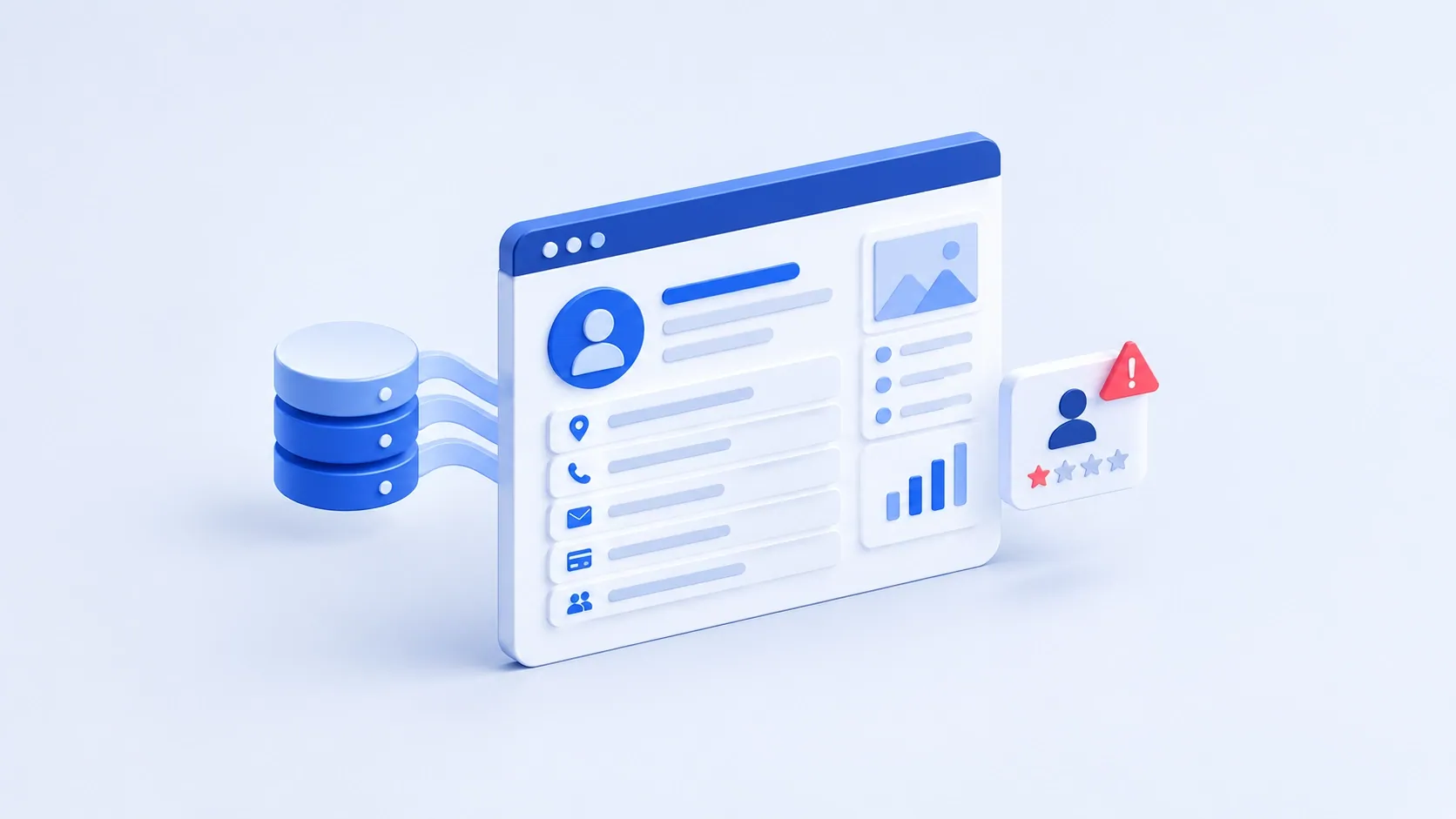
These organizations tend to research the demographic, economic, and geographic data of Internet users, as well as real estate and health information.
That said, a data broker may hold information about you related to the following items:
- Full name.
- Email addresses.
- Estimated income.
- Credit history.
- Consumer habits.
- Real estate property.
- Criminal record (if applicable).
- Vehicle registration.
A data broker may also know what health conditions a person might be going through by inferring this information from other data, such as physical activity metrics collected by smart devices or web browsing history.
Who usually benefits from the information collected by data brokers?
Data brokers usually offer user information to organizations that need a high volume of information for decision-making.
That said, the usual clients of data brokers tend to be:
- Service platforms.
- Human resources agencies.
- Credit managers.
- Advertising and marketing companies.
- Security agencies.
- Political campaigns.
Market research companies and medical institutions may also partner with certain data brokers to carry out specific studies.

Take back control of your online reputation
We can review your case and offer a personalized solution to take back control of what’s said about you or your business online.
Get a quote in less than 24 hours
Types of data brokers
Data brokers can be classified according to the type of information they collect or the clients they may end up doing business with.
That said, the following table summarizes some types of data brokers according to these two criteria:
| Aspects | Financial brokers | Advertising brokers | Identity verification brokers | Health brokers | B2B brokers |
|---|---|---|---|---|---|
| What do they do? | Assess the creditworthiness and financial risk of individuals and companies. | Create audience profiles and segments for targeted marketing campaigns. | Confirm that a person is who they claim to be and detect fraud or impersonation. | Analyze and sell health information for research and marketing. | Provide information on companies and professionals for sales, prospecting, and market analysis. |
| Type of data they collect | Credit history. Loans. Late payments. Debts. | Demographic data. Purchasing habits. Browsing history. Location. | Name. Address. Date of birth. Phone number. Email addresses. | Diagnoses. Medication purchases. Insurance data. Data from wellness apps and wearables. | Company name. Industry. Estimated revenue. Number of employees. |
| Who are their clients? | Banks. Lenders. Landlords. Dealerships. | Advertisers. Marketing agencies. Programmatic advertising platforms. | Banks. Telecommunications companies. Governments. Dating platforms. | Pharmaceutical companies. Insurers. Hospitals. Health marketing companies. | Sales and marketing teams. Recruiters. Agencies. Investors. |
| Data sources they use | Financial institutions that report payments. Court and public records. Utility companies. | Cookies and tracking pixels. Mobile apps. Loyalty programs. In-store purchases. | Public records. Credit bureaus. Phone carriers. Biometric data. | Pharmacies. Insurance claims. De-identified medical records. Health apps. | Corporate websites. LinkedIn and professional profiles. Business registries. Events. |
Depending on its business model, a data broker may not work in a single area, but instead provide information to organizations across different industries.
What data brokers do with people’s information
Data brokers tend to use the information they collect from users for activities such as the following:
- Creating detailed profiles: these companies usually cross-reference information from different sources to create a unique digital profile of each individual.
- Targeted advertising and marketing: in general, data brokers sell user profiles to other organizations to create hyper-segmented and personalized ads.
- Risk and insurance assessment: sometimes, data brokers supply user information to banking institutions to calculate their creditworthiness.
- Background checks: data brokers tend to provide user data to human resources agencies or other entities interested in verifying a person’s background.
- Voter segmentation: these companies may partner with political campaigns or figures to help them create personalized messages for their established voters or for people without a defined leaning.
These companies may also offer user information to government institutions that need private data for their investigations.
What sources of information do data brokers use?
Data brokers usually rely on four major sources of information to extract insights about people. These four data sources are:
- Digital sources and online behavior: web browsing history, social media interactions.
- Public and government records: birth, marriage, or divorce certificates; property or voter records; census data.
- Commercial activity: purchase history, loyalty programs, subscriptions to platforms and services.
- Mobile devices: fitness apps, review apps, global positioning system.
Data brokers cross-reference data from these and other sources to build user profiles based on their activity, capable of projecting their interests, habits, and possible health conditions.
Why are data brokers a threat to your online reputation?
First of all, these companies tend to operate without direct oversight from ordinary users or businesses, which often makes it difficult to properly track their information.
Along with this, a data broker can threaten the reputation of a company or individual for reasons such as the following:
- Use of outdated data: data brokers may distort your profile by using old information about you if they do not have access to the most recent version.
- Risk of data breaches: the databases of these institutions tend to be targeted by cybercriminals because of the volume of information they usually manage.
- Lack of control over information: in general, individuals and companies do not know what these organizations do or are capable of doing with their data.
- Decisions based on out-of-context data: these companies commonly create user profiles without thoroughly evaluating the context in which the data was produced.

For individuals, data brokers can represent a violation of their privacy by managing sensitive information without people giving their express consent.
Do data brokers operate legally?
Data brokers operate legally in most countries, even when ordinary users are not usually aware of how they use their information.
That said, it is important to note that there are regulations governing the operations of these institutions, such as:
- General Data Protection Regulation – European Union.
- Delete Act – California.
- Virginia Consumer Data Protection Act – Virginia.
- Texas Data Privacy and Security Act – Texas.
In addition to regulating the operations of data brokers in specific regions, these types of regulations also tend to help consumers exercise their rights over their private information.
Related guide: What Is PeopleLooker? Complete guide 2026
Final thoughts on data brokers
Although there are regulations governing how data brokers operate, there are still often doubts about how they use people’s sensitive data.
In the event that a company of this kind suffers a massive data breach, it is likely that the sensitive data of thousands of people will be available to cybercriminals or malicious institutions.
That said, people and companies interested in better understanding how data brokers work and what procedures exist to limit their impact will, in many cases, find a valuable ally in an online reputation management company.
At Media Removal, we have experience helping organizations and individuals in various regions of the world have a more honest and transparent relationship with data brokers and other institutions that handle their public or private information.
You can schedule a meeting with our team of experts to share your questions about data brokers and receive personalized advice and a tailored action plan if you want to remove your data from their records.
 Subscribe to our newsletter
Reputation insights and industry news from the Media Removal team, straight to your inbox.
No spam. Unsubscribe anytime.