Summarize this post with:
Many people tend to use Wikipedia as a source of information for personal or professional purposes.
However, considering the open nature of this website and how it allows anyone to edit its content, many users probably wonder whether Wikipedia is a reliable source of information and under what conditions.
Is Wikipedia a reliable source of information?
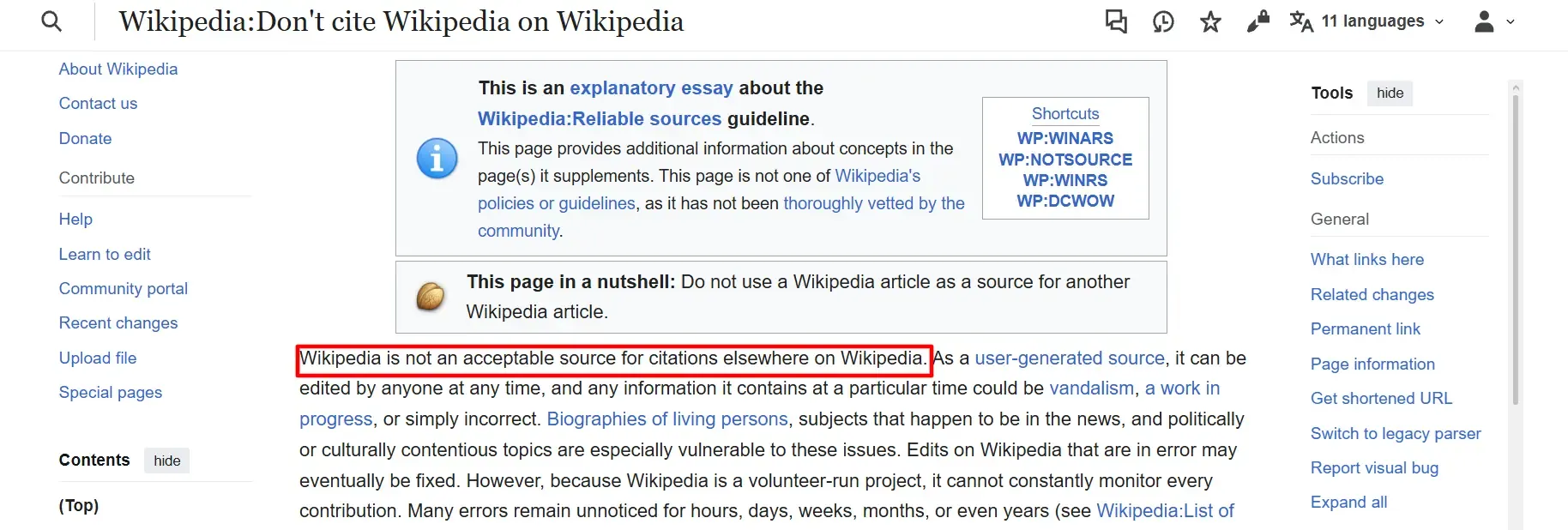
Although it is a website with an enormous amount of accumulated information, Wikipedia should not be cited as a definitive reliable source, especially on specialized topics.
This position is backed by Wikipedia’s own project page, which extends this warning to the website’s sister projects such as Wikidata and Wikimedia Commons.
Why is Wikipedia not a reliable source?
Wikipedia is not a reliable source because anyone can add or remove information from the encyclopedia, regardless of whether the data added or removed is correct or not.
Since Wikipedia is a platform sustained by the volunteer work of its editors, it is not possible for them to monitor all of the site’s content continuously, so guaranteeing the integrity and reliability of the information tends to be complicated.
Main risks of using Wikipedia as a source of information
Research or a report that uses Wikipedia as its only source of information is, in many cases, exposed to significant dangers such as the following:
- Using outdated information: a Wikipedia article about a developing event tends to change a lot in a short time, so information published two hours earlier may have been disproven by the time you check it.
- Using biased data: certain data included in Wikipedia contains conscious or unconscious biases that editors have not yet identified or corrected.
- Citing vandalized sources: without proper attention, a report or research paper may cite and spread Wikipedia information that was altered for malicious purposes.
- Validating incorrect data: if an academic research paper, technical report or business report uses incorrect information from Wikipedia, that information usually receives a certain level of validity until proven otherwise.
It can also happen that the person or institution shares a piece of Wikipedia data that is not correct with their peers, which opens the possibility for that data to reach a wider audience.

Take back control of your online reputation
We can review your case and offer a personalized solution to take back control of what’s said about you or your business online.
Get a quote in less than 24 hours
Best practices when using Wikipedia as a source of information
Beyond Wikipedia’s limitations as a data source, this encyclopedia remains useful and reliable with the right approaches, such as the following:
- Introduction to a new topic: Wikipedia is usually useful for someone who needs to learn the context, general history or key concepts of a topic they know nothing or very little about.
- Looking up specific and simple facts: this site tends to be very reliable when it comes to recording general geographic data, birth or death dates of notable figures, an artist’s discography, and similar information.
- Reviewing its sources and references: each Wikipedia article usually includes direct links to books, websites and recordings that support the content’s information and that, in general, are more reliable sources of information.
- Understanding technical language in simple terms: in many cases, editors manage to explain very complicated or technical concepts from a specific field of knowledge in simple words.
- Finding connections between concepts and topics: hyperlink navigation makes it easier for a person to find links between terms, concepts and theories.
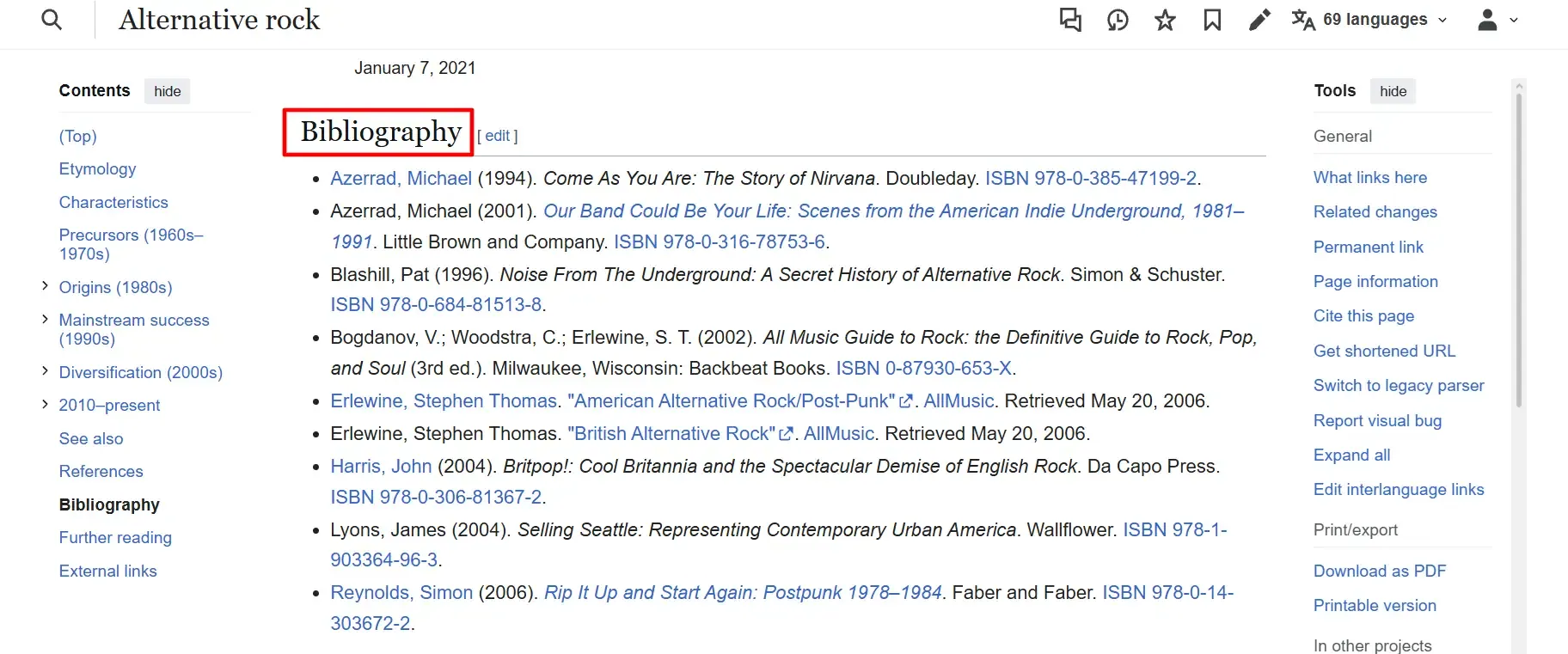
Lastly, turning to Wikipedia to get a panoramic view of a given subject of study and its respective subtopics is usually a good preliminary step before starting formal research.
When is it better not to use Wikipedia as a source of information?
We recommend not using Wikipedia as a source of information in the following circumstances:
- Developing events: information about ongoing events tends to change quickly, and fact-checking is often problematic.
- Formal research papers: universities and educational institutions in general do not usually accept Wikipedia as an authoritative source on any topic.
- Controversial topics: issues that significantly divide opinions are more susceptible to conscious or unconscious bias from editors.
Using Wikipedia as a data source when preparing a work report is also usually inadvisable unless the encyclopedia is used to include data such as dates, people’s names or geographic locations.
What Wikipedia as a source of information can mean for your reputation
Wikipedia can have a significant impact on the reputation of a public figure or company because this domain tends to be among Google’s top search results.
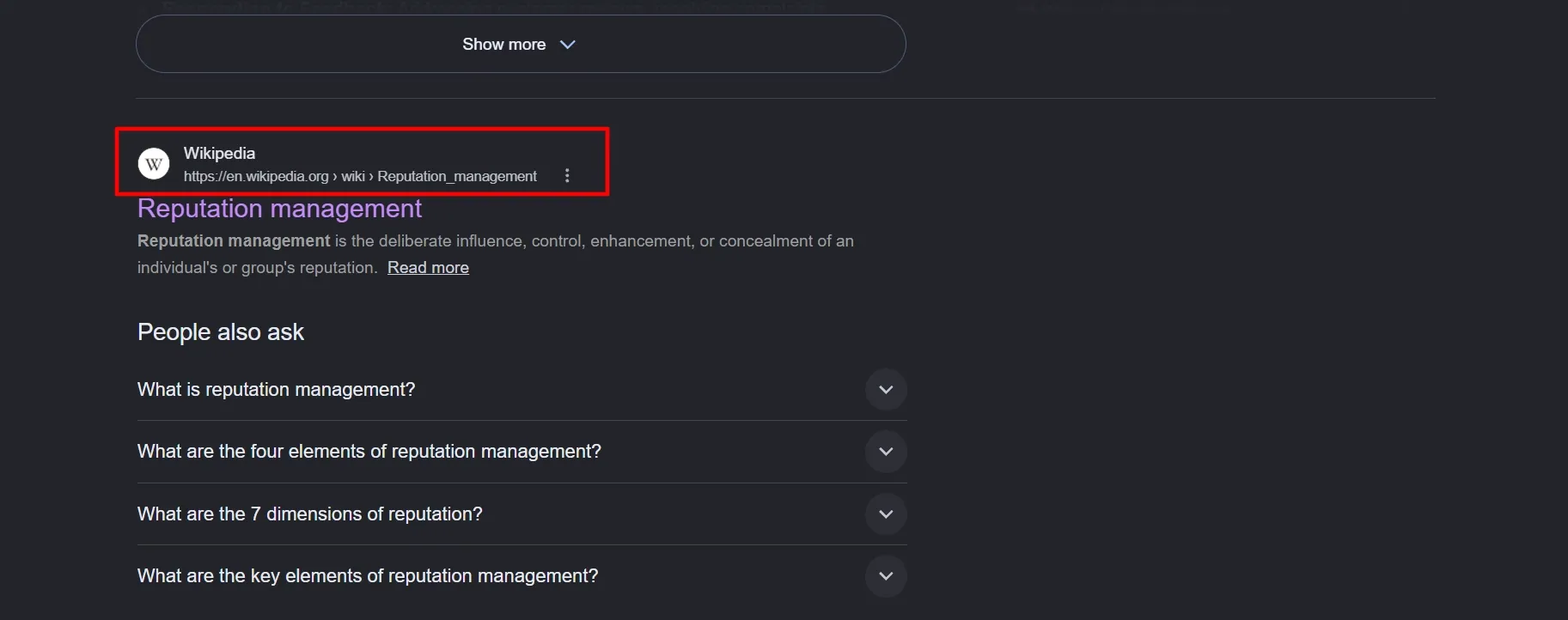
This means that, if you currently have an active Wikipedia page, one of the first results a potential consumer or investor finds about you is likely to be that page, which may or may not contain incorrect or outdated information about you.
Wikipedia and its impact on AI summaries
Wikipedia’s potential impact on your reputation may be greater considering that many AI assistants use this encyclopedia as a source to answer their users’ queries.
As an example of this, it is worth noting that human traffic to Wikipedia has declined by 8% annually over the past 3 years as people prefer to read the AI summary rather than visit the page that serves as the source for that data.
That said, having a Wikipedia page that genuinely represents you and does not include incorrect or outdated data about you takes on a different meaning and key strategic value.
Alternatives to Wikipedia as a source of information
If you are interested in evaluating other ways to obtain reliable information on the Internet, the following options are likely to be useful for you:
- Academic and scientific journals: the content of these journals goes through rigorous levels of review, editing and source validation to guarantee the reliability and traceability of the information.
- General encyclopedias: websites such as the Encyclopedia Britannica tend to be stricter with the creation and monitoring of the content on their web pages.
- Topic-specific sources: directly consulting websites specialized in a specific field of knowledge, in many cases, offers more guarantees about the quality of the information you will find.
- University libraries: the books and texts held in these spaces usually serve as primary sources of information for the content published on Wikipedia.
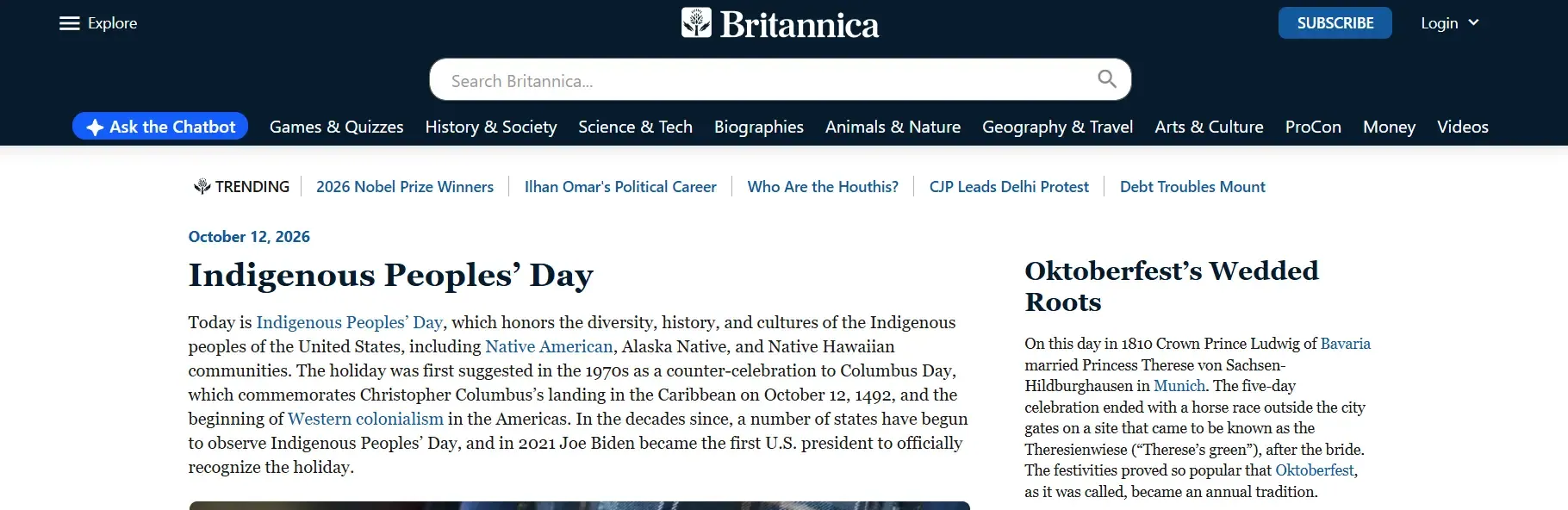
Although each of these options has its own limitations that we recommend considering, they remain useful alternatives capable of expanding your repertoire of information sources.
Final thoughts on Wikipedia as a source of information
Although Wikipedia stores an enormous amount of information, not everything this encyclopedia includes is accurate.
The open nature of this website allows some people to distort its content and spread biases or falsehoods that affect both those who use the data and Wikipedia in its role of disseminating knowledge.
That said, if you have a page on this encyclopedia or are interested in creating one, it is important that it genuinely represents you, and one of the alternatives you have for this is to turn to the support of a company like Media Removal.
We specialize in creating Wikipedia pages backed by primary sources and written to align with the encyclopedia editors’ criteria and receive their approval.
If you are interested in creating a new Wikipedia page for yourself or your project, or if you want to update existing content, we invite you to schedule a meeting with our team.
 Subscribe to our newsletter
Reputation insights and industry news from the Media Removal team, straight to your inbox.
No spam. Unsubscribe anytime.