Summarize this post with:
An online reputation crisis is usually a bad scenario for organizations and public figures with a strong presence on the Internet.
When the digital reputation of a brand or person is heavily questioned, the impact is likely to show up in their success indicators and growth opportunities.
That said, understanding what an online reputation crisis is and how to manage it tends to be useful for having better chances of minimizing its repercussions.
What is an online reputation crisis?
An online reputation crisis is a period of doubts and questioning toward the digital image of a company, brand, or person.
This period usually changes how the public, partners, or competitors perceive the affected organization, which tends to face consequences in the medium or long term if it does not respond adequately to the crisis.
Signs that your online reputation is going through a crisis
Commonly, the situation of a company or person going through an online reputation crisis will be marked by one or several of the following aspects, which we will detail below:
- Change in the tone of conversations: conversations around the brand can shift from neutral or positive to negative and include signs of anger, mockery, or dissatisfaction.
- Increase in mentions: the organization affected by the crisis will receive a higher volume of mentions and interactions on the Internet than usual.
- Presence in mainstream media: specialized sites usually cover the crisis first, but mainstream media echo the news and extend it over time.
- Loss of control over the narrative: algorithms, users, and news outlets begin to steer the conversation about the brand on the Internet instead of the person or organization playing that role.
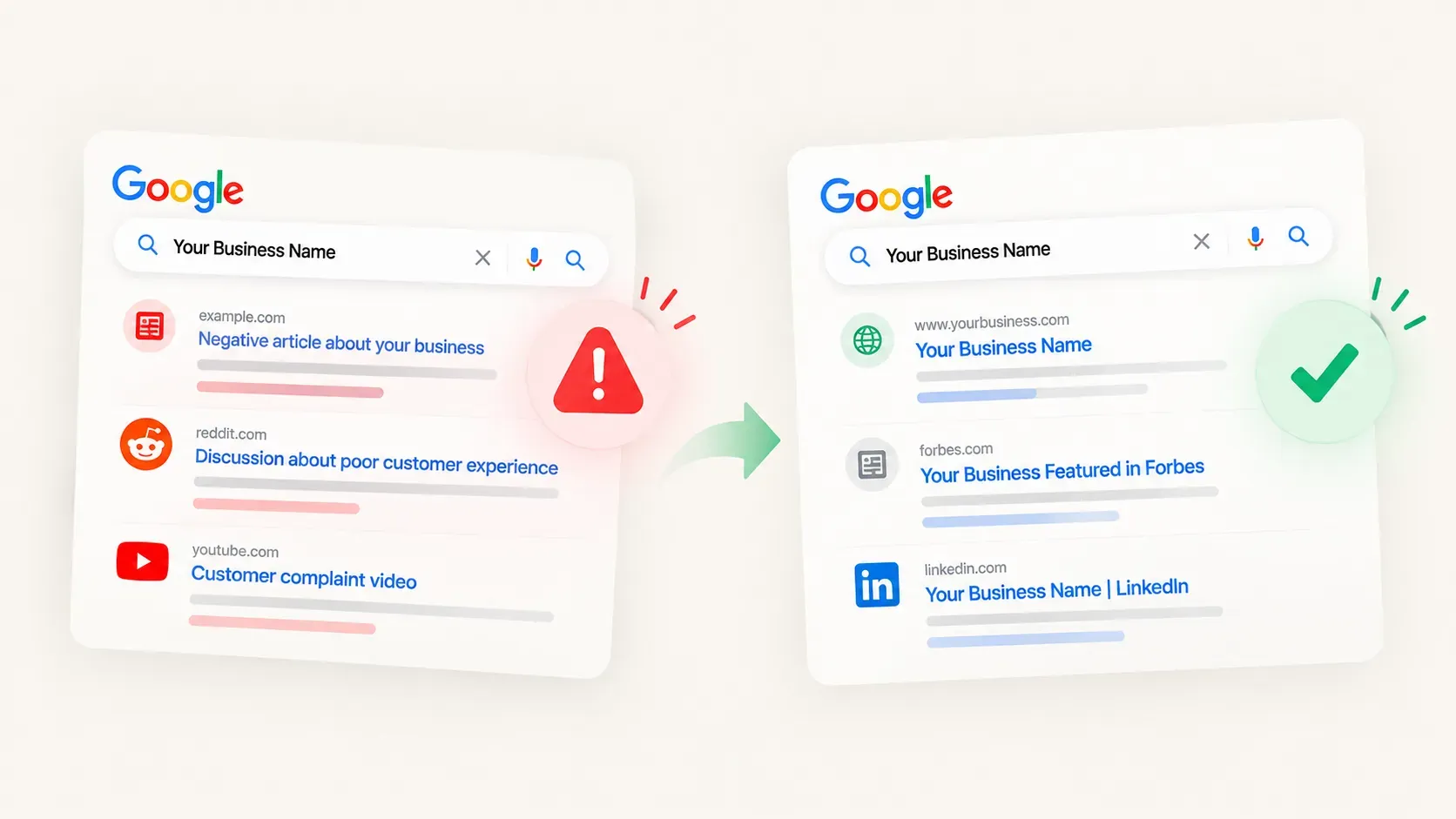
It is also important to note that, when the online reputation of a person or company enters a crisis, negative content about the individual or the organization is likely to appear in the first Google results.
What are the common causes of an online reputation crisis?
An online reputation crisis can start for reasons such as the ones we will detail below:
- Inappropriate employee behavior: a technical lead, chief executive, or operational team member may make an inaccurate or controversial comment that quickly goes viral on the Internet and harms their organization in the process.
- Data breaches: sometimes, an organization falls victim to a cyberattack that exposes weaknesses in its infrastructure or reveals information that was not meant to be publicly shared.
- Accumulated consumer complaints: if a company does not properly address its customers’ claims about its products or services, these criticisms are likely to fuel a widespread discontent about its professionalism.
- Communication failures: sometimes, a video, carousel, or official statement gives rise to confusion or misunderstandings that can provoke a negative reaction if the person or company does not take corrective measures.

An online reputation crisis may begin with a specific cause and, as it worsens, the audience of the affected person or company may discover other controversial situations that increase the size of the crisis and extend it over time.
Is it possible to prevent a reputation crisis?
While the probability of suffering a problem of this kind will never be zero, a person or institution can indeed prevent an online reputation crisis.
That said, one of the fundamental keys to avoiding this kind of situation is, for institutions and individuals, to properly manage those factors that fall within their scope of action so that they do not become the triggers.
What is the impact of an online reputation crisis?
Whether in individuals or companies, the effect of an online reputation crisis is likely to be one or several of those we will briefly mention below:
- Drop in sales of products or services.
- Difficulties attracting new customers.
- Distancing of potential new investors or partners.
- Suspension or termination of business alliances.
- Loss of followers on social media.
- Ranking of negative content in search engines.
When a reputation crisis is not handled the right way, the public’s perception of the brand can change in a profound way that is difficult to reverse in the medium and long term.

Take back control of your online reputation
We can review your case and offer a personalized solution to take back control of what’s said about you or your business online.
Get a quote in less than 24 hours
How to manage an online reputation crisis?
While no online reputation crisis is exactly like another, it is possible to identify some specific actions that tend to be effective when a person or company goes through a conflict of this kind, such as:
- Avoiding impulsive responses: reacting instinctively to the problem is generally a measure that aggravates the crisis instead of leading it toward a favorable conclusion.
- Identifying the origin of the crisis: identifying the main cause of the issue tends to be a good step toward developing an effective solution and measuring its real scope.
- Addressing the problem fairly: sizing up the situation correctly, without downplaying it or giving it a severity it does not yet have, tends to help calibrate the most precise action plan for a given moment.
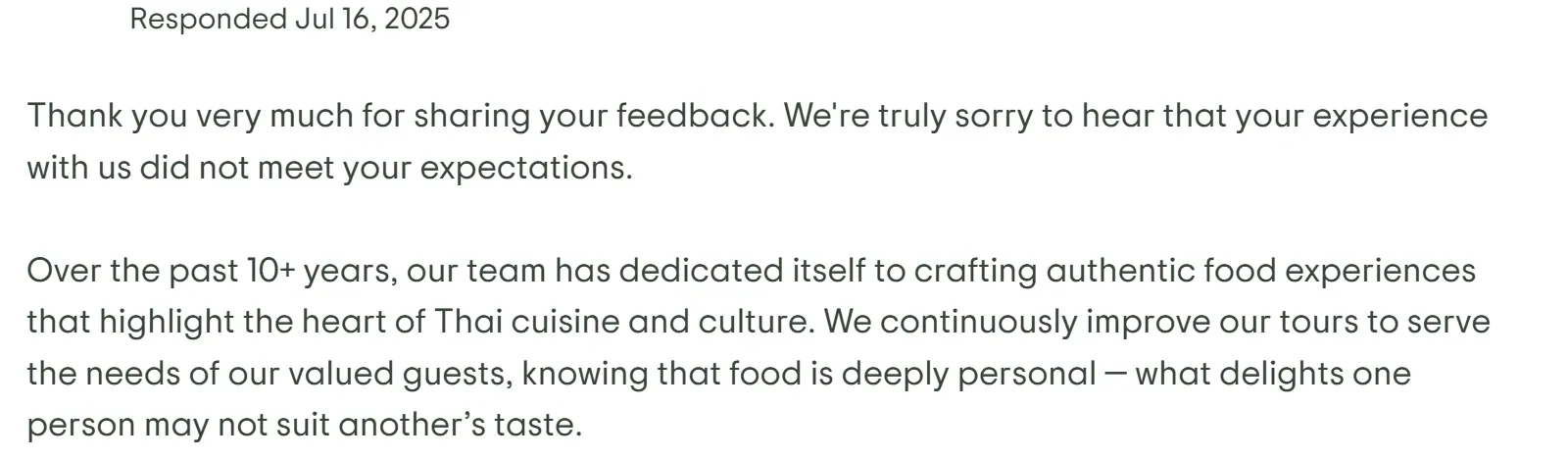
- Issuing an official and transparent response: taking control of the crisis through a statement written in an empathetic and clear way tends to help the individual or institution regain control over the digital conversation.
- Monitoring the situation in real time: closely following the evolution of brand mentions on social media or search engines tends to help establish the point at which the crisis ends or loses much of its relevance.
The proper management of these periods of conflict is usually no minor matter, since, in many cases, properly managing an online reputation crisis safeguards the credibility of a brand or company in the short, medium, and long term.
Related guide: The Streisand Effect: What It Is and Why It Can Happen
Final thoughts on online reputation crises
Going through a reputation crisis tends to be a complex stage in the life of the person or company facing this type of situation.
When the credibility of an organization or institution is questioned by its audience, its partners and investors are likely to start having doubts about their relationship with the affected brand.
That said, getting out of a reputation crisis is usually not easy for companies or individuals. However, with the help of a company specialized in reputation management, this task tends to be easier.
At Media Removal we have helped hundreds of organizations and public figures manage their reputation during times of crisis through useful strategies across multiple sectors and contexts.
If you want support managing your reputation on the Internet, you can schedule a meeting with our specialists to receive advice 100% tailored to your needs and goals.
 Subscribe to our newsletter
Reputation insights and industry news from the Media Removal team, straight to your inbox.
No spam. Unsubscribe anytime.