Summarize this post with:
When someone photographs you without your permission, your privacy can be exposed, especially if that image ends up posted on social media.
The risk can grow once the content starts circulating online, since it becomes harder to track who sees it and what they do with it.
Faced with this situation, there are several actions and legal measures you can consider depending on the circumstances of the case.
If someone took a photo of you without your permission, this guide will help you understand what to do, what to evaluate in the post, and when it makes sense to request its removal.
Can someone take a photo of me without my consent?
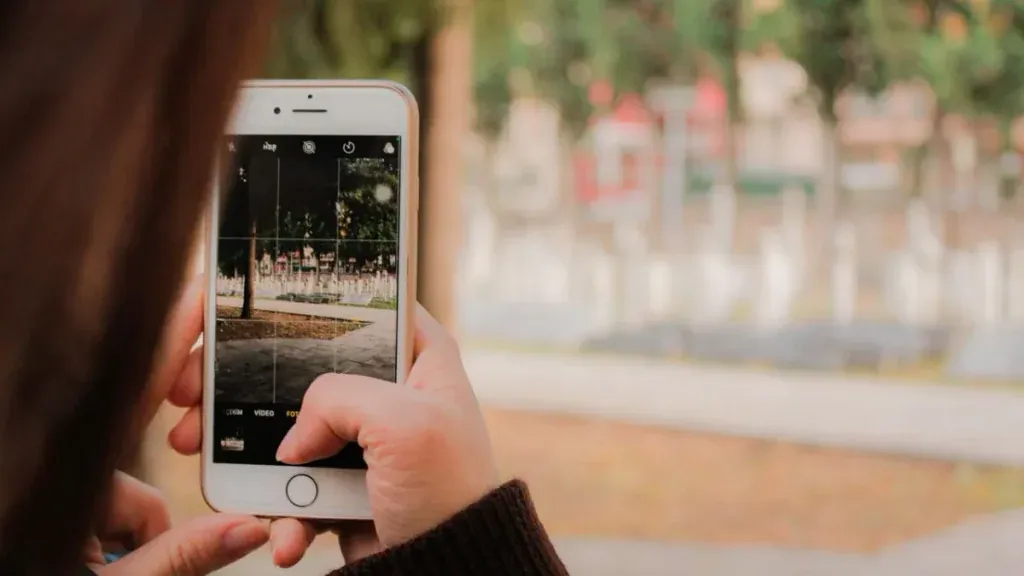
In some situations, yes, you can be photographed without consent.
Not every photo taken without permission constitutes a violation of your privacy, since it usually depends on the location, the context, and what is done with that image afterward.
In what situations can someone photograph me without my permission?
There are contexts where photographing someone without their permission does not violate any law or policy, generally because these are situations where it is harder to exercise control over your own image:
- Public places or events: if your presence is incidental, such as appearing in the background of a panoramic photo of a plaza, this is not usually considered a violation of your privacy.
- Events of public interest: if the image documents an event of public or historical relevance and your presence is not the main focus, your authorization is not usually required either.
- The workplace: a company can photograph its employees in common areas if organizational policy allows it, although secretly photographing someone in a restroom or break room can constitute a violation of their dignity.
- Public figures: photographing someone while they exercise a public role is usually considered a matter of public interest, unless the image puts their safety at risk or captures private moments unrelated to their public function.
Even in public spaces, none of these exceptions allow a person to capture another person’s private or vulnerable moments.
In what situations can I not be photographed without consent?
On the other hand, it is usually an illegal act when the image violates the person’s privacy, affects their dignity, or is used for commercial purposes without their knowledge.
Here are some examples:
- Sexual or intimate content: photographing or distributing intimate or body images without prior agreement can constitute a serious violation of privacy.
- Advertising use: using someone’s face or figure to promote a product without their consent violates their image rights.
- Private places: taking photos without permission in restrooms, dressing rooms, or a person’s own home can also be an illegal act.
- Harassment: photographing someone in a vulnerable moment, such as being intoxicated or in an accident, can affect their reputation and their right to dignity.
Identifying which of these two groups your situation falls into can help you determine whether you have grounds to act or whether it was, instead, a legitimate act.
Is it illegal to take a photo of a person without their consent?
Taking a photo without express authorization does not always constitute a crime, since it depends on the context of the image and the use it is given.
One of the most important factors is the legislation of the place where the event occurs.
In the United States, for example, photographing a person in public places such as parks or sidewalks is not usually a crime, since the First Amendment protects this act as part of freedom of expression.
However, there are exceptions where the First Amendment does not apply, including continuous harassment of a person, photographs of their intimate parts, or images taken in spaces with a reasonable expectation of privacy, such as their own home.
What can you do if someone photographed you without your permission?
Faced with this situation, there are some steps that can help you react calmly and protect your rights.
- The first thing you should do is assess where the incident took place and how the person who took the photo behaved, since a tourist photographing a plaza is not the same as someone deliberately following you.
- If the situation seems safe, you can calmly ask that the image be deleted, although the person has no legal obligation to do so if the photo was taken legitimately in a public space.
- If the request does not work, documenting the incident can support a future complaint with details such as the date, the location, a description of the person involved, and any witnesses present, if there were any.
- If the image is already circulating online, a screenshot with the date, time, and URL can serve as evidence.
In cases of harassment or photos taken in private spaces, going to your local authorities is usually the next recommended step.
Legal actions you can take when you are photographed without your permission
When a photograph turns into harassment, defamation, or voyeurism, there are different legal avenues that can help you protect your safety and image, depending on the circumstances of the case and the available evidence.
Civil proceedings
- Lawsuit for damages: you can seek financial compensation for the moral harm caused by the publication of the photo.
- Police report: creates an official record that can be useful in cases of harassment or images taken in private spaces.
- Cease and desist letter: with the support of a lawyer, you can formally request that the person stop taking or distributing photos of you.
A cease and desist letter has no judicial force on its own, but if the behavior continues, it can serve as precedent for a criminal action.
Criminal proceedings
If the photograph was taken in a private space, or if it is part of a harassment situation or the distribution of sensitive content, it may be a crime punishable by fines or prison sentences.
For example, photographing a naked person without their consent in a space with an expectation of privacy can be sanctioned under 18 U.S. Code, with fines or up to one year in prison.
In the United Kingdom, if a person reacts aggressively when asked to delete an image, the police can arrest them under the Public Order Act.
Administrative proceedings
You can also report the incident to your country’s data protection authority, since your image is considered personal data.
If a company or individual uses it without your consent, they may incur privacy violations and become subject to administrative penalties.
Final recommendations on what you can do if someone took a photo of you without your permission
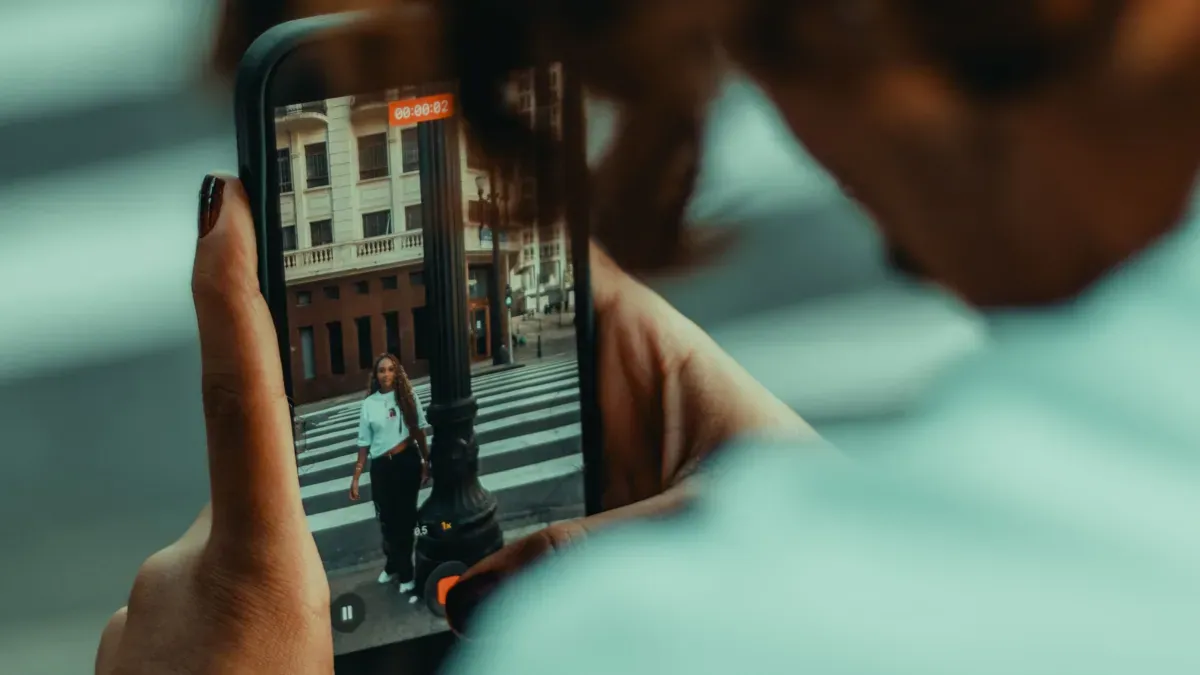
If someone took a photo of you without your permission, staying calm is the first step to assess whether the act was legal or not, depending on the location, the context, and the attitude of the person who took the photo.
Reviewing both the image and the text that accompanies it, based on the criteria covered earlier, can help you identify whether you have grounds to request its removal or consider legal action.
There are cases where you can act on your own by going to the relevant authorities, and others where support from a team specialized in content removal can make the process easier.
At Media Removal we have a team of reputation experts dedicated to removing content from social media platforms such as Reddit, Instagram, TikTok, and YouTube, with the goal of protecting people’s reputations against defamation attacks and misleading advertising.
If you suspect that someone took a photo of you without your consent and posted it online, you can request a quote from our team to evaluate your case and the most suitable solutions.
 Subscribe to our newsletter
Reputation insights and industry news from the Media Removal team, straight to your inbox.
No spam. Unsubscribe anytime.