Summarize this post with:
It can happen that a public figure or institution interested in protecting its reputation from controversy ends up, without meaning to, making the situation worse.
When this happens, the person’s or entity’s ability to manage the problem tends to shrink, which can lead to more serious consequences.
This complicated circumstance has a name, and it is known as the Streisand effect.
What is the Streisand effect?
The Streisand effect is a concept that describes the scenario in which a person’s or entity’s attempts to hide a situation draw more attention to it, which tends to amplify its consequences.
When the Streisand effect comes into play, the public figure’s or organization’s ability to manage the crisis becomes much smaller than it originally could have been.
What was the first precedent of the Streisand effect?
The origin of this phenomenon dates back to 2003, when American singer-songwriter Barbra Streisand filed a 50 million dollar lawsuit for invasion of privacy against photographer Kenneth Adelman and the website Pictopia.com.

Adelman had photographed the singer’s home in Malibu, California, as part of a project documenting coastal erosion.
Before the lawsuit became public, the photograph had only been downloaded 6 times. Once news outlets covered the story, thousands of people visited Pictopia.com to view and download the image.
Why does the Streisand effect happen?
The Streisand effect happens because failed attempts to hide a controversy or remove information end up making the situation visible to the public, and people become interested in knowing what fact or detail was meant to be hidden in the first place.
That said, there are several factors that can help explain why the Streisand effect shows up in these scenarios:
- Collective curiosity: lawsuits, fines, or controversial statements are situations that tend to generate interest and spark the curiosity of many people.
- The viral nature of social media: information flows freely and quickly online, which allows a minor event to gain outsized relevance in a short amount of time.
- The appeal of the forbidden: often, when an object or situation is deliberately hidden from a person or group of people, a sense of urgency develops that motivates individuals to find out what is being hidden and why.
- Interest in resisting censorship: when it becomes known that a public figure or institution tried to hide something, many people may mobilize against it to prevent a possible act of censorship or suppression.
When a celebrity or institution loses control over a situation that affects its reputation, these tend to be some of the factors that amplify the event and give rise to the Streisand effect.
How can you tell if you’re experiencing the Streisand effect?
In many cases, a public figure or organization never realizes that the reputational crisis they’re facing was amplified by the Streisand effect.
That said, identifying the signs associated with this situation tends to help in understanding the full picture:
- Disproportionate public reaction: people’s response to the news is much greater than it might have been initially.
- Reversal of the narrative: the focus of attention is not on the controversy itself, but on the attempt to cover it up.
- Massive media attention: mainstream media outlets pick up on the conflict and amplify its reach beyond specialized websites.
Among these three items, the reversal of the narrative is likely the most evident to the person or company experiencing the Streisand effect, as many of the questions may be directed at their attempt to conceal the information or the incident.
How can the Streisand effect hurt me?
When a person or institution falls victim to the Streisand effect, the main threat is usually a severe reputational crisis, since the credibility of whoever tried to hide an action or controversy is, in many cases, called into question by the public.
Second, the entity tends to lose control of the narrative around the event, since the situation becomes a matter of public interest that the company or individual can no longer manage directly.
Finally, the financial costs associated with managing a crisis are often much higher than what the institution or individual would have spent on a minor problem.

Take back control of your online reputation
We can review your case and offer a personalized solution to take back control of what’s said about you or your business online.
Get a quote in less than 24 hours
Real Streisand effect examples
A good way to understand the impact of the Streisand effect is by reviewing some real examples of people or institutions that, without intending to, gave more reach to an event that could have gone unnoticed:
US Senator Devin Nunes’s 2019 lawsuit
In March 2019, Republican representative Devin Nunes filed a defamation lawsuit against X and three users of the platform over a series of posts that he claimed could damage his reputation.
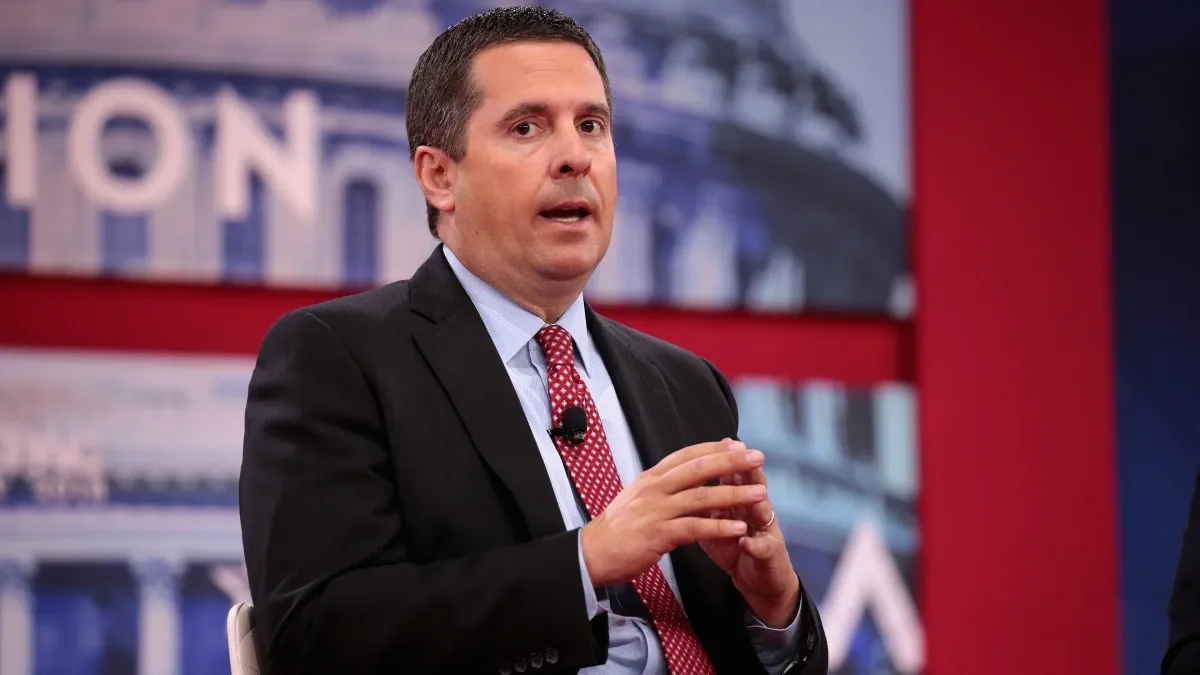
One of the defendants was a parody account that, before the news broke, had only 1,200 followers. After the lawsuit became public, the user’s X account gained around 600,000 new followers.
The Beyoncé photographs in 2013
In 2013, American artist Beyoncé performed at the Super Bowl halftime show. A news outlet took photographs of the artist during the event that, from her publicist’s perspective at the time, were unflattering.

After the artist’s publicist requested that the images be taken down, the outlet instead created a dedicated gallery for the Beyoncé photographs, which amplified their visibility.
The Tom Cruise Scientology videos in 2008
In 2008, the Church of Scientology tried to remove a video from the internet in which American actor Tom Cruise, a practicing Scientologist, made a series of statements that could affect the church’s image.

This video had significant reach online because, in addition to the actor’s fame, websites publicized the Church’s attempts to remove the content and censor Cruise’s statements about the belief system.
How can I avoid the Streisand effect?
A general recommendation for not falling victim to the Streisand effect is to seek specialized reputation management guidance in order to avoid actions that could worsen a potential crisis.
Once an institution or public figure is supported by an expert, the following actions can become easier to understand and carry out:
- Assertive, human communication: when a person or institution publicly addresses a situation with assertiveness, the consequences of the event may be smaller in the eyes of its partners and the public.
- Ongoing conversation monitoring: continuously tracking what is being said on social media tends to help gauge the scope of a situation and identify the best courses of action.
- Honest and transparent responses: openly acknowledging a mistake, rather than hiding or ignoring it, tends to generate empathy from the public and minimize the impact of the situation.
- Evaluating the real scope of a controversy: a proper assessment of a controversy can help determine whether it will be a brief issue or, instead, one that warrants ongoing monitoring and possible action.
When a problem that seems small is handled using these recommendations, it becomes far more likely that the situation will not escalate and will remain easy to manage.
Final thoughts on the Streisand effect

A small lawsuit, fine, or comment can end up having a much bigger impact when the Streisand effect comes into play.
If an institution or public figure becomes a victim of the Streisand effect, it is likely to lose control of the situation and face a reputational crisis.
For this reason, it is essential for organizations and public figures to carefully evaluate the conflicts they may face in order to define actions tailored to each specific case.
However, a celebrity or company cannot always tell a real problem apart from a minor one, which is why, in many cases, having a specialized ally on your side tends to be a real advantage.
At Media Removal, we support businesses and individuals in managing their reputation, developing solutions that help them preserve their authority and credibility with their partners, their industry, and their audience.
If you are not sure how to act correctly in a given situation and don’t want to take unnecessary risks, you can schedule a meeting with our team to receive personalized guidance.
 Subscribe to our newsletter
Reputation insights and industry news from the Media Removal team, straight to your inbox.
No spam. Unsubscribe anytime.