Summarize this post with:
The Virginia Consumer Data Protection Act (VCDPA) is a state privacy law that gives Virginia residents rights over the personal data that companies collect about them.
This law is set out in the Code of Virginia, Title 59.1, Chapter 53.
What counts as personal data according to the Virginia Attorney General’s Office?
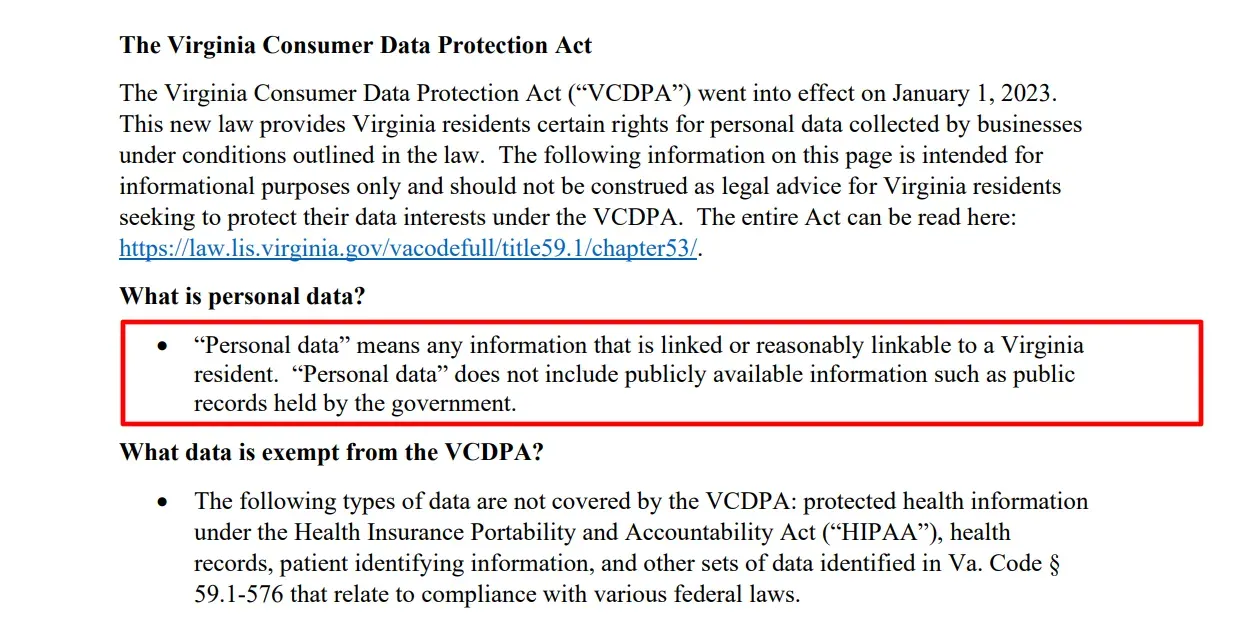
According to the official summary from the Virginia Attorney General’s Office, personal data is any information linked or reasonably linkable to a resident of the state.
Name, email, address, phone number, device identifiers or browsing history all fall within that definition.
This data rarely stays in one place. In other words, it is usually collected and shared across different services, and over time it can be combined into an online profile far more complete than the user imagines.
The law distinguishes between two roles: the “controller” is the company that decides what data to collect and for what purpose, and the “processor” is the entity that processes that data on behalf of the controller.
Consumer requests are always directed to the controller.
It is important to keep in mind that the VCDPA is inspired by the European GDPR and by California’s law, but with a more limited model.
When did the VCDPA take effect and how has it evolved?
The law was passed by the Virginia legislature in February 2021 and signed on March 2 of that same year, making Virginia the second U.S. state with a comprehensive privacy law after California.
However, it did not start being enforced until January 1, 2023. Since then, it has received several relevant amendments:
- January 2025: additional protections for children under 13, including bans on targeted advertising and the sale of their data.
- July 2025: prohibition on obtaining or disclosing reproductive or sexual health data without consent.
- January 2026: default daily time limits on social media for minors under 16.
These updates show that the law is still evolving.
Therefore, when consulting it, it is always necessary to review the current text on the official legislative portal and not rely on outdated summaries, since many articles published in 2021 still describe the law in the future tense.
What is the VCDPA for and what rights does it grant?
The central goal of the VCDPA is to give consumers back some control over the information that companies store and sell about them.
This idea stems from a broader view of privacy. It is not just about keeping sensitive information secret, but about understanding where your data goes and how it is used.
That is why the law focuses on transparency and on the consumer’s ability to intervene in that use.
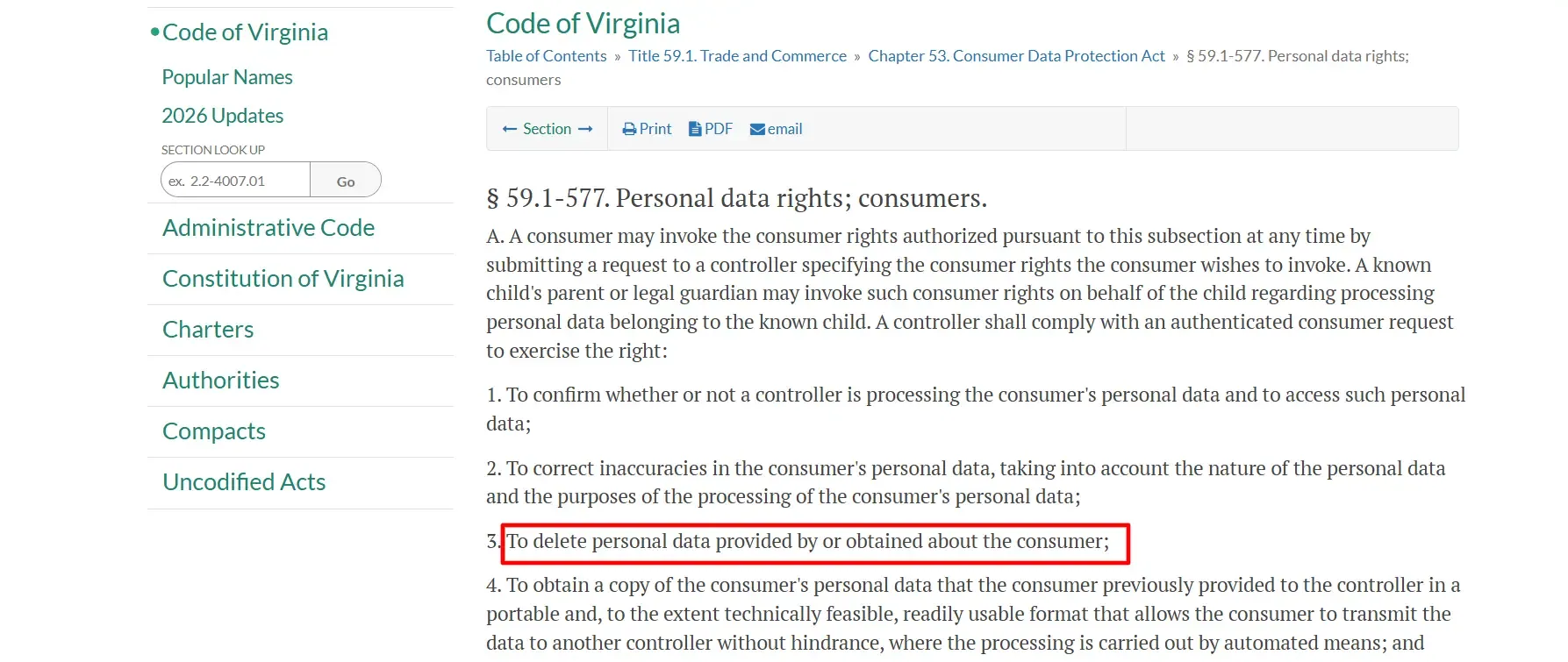
To achieve this, section 59.1-577 of the Code recognizes the following rights:
- Confirm whether a company is processing your data and access it.
- Correct inaccurate information the company holds about you.
- Delete the personal data you provided or that the company obtained about you.
- Obtain a copy of your data in a portable format.
- Opt out of the use of your data for targeted advertising, sale to third parties, or profiling with significant legal effects.
- Not be discriminated against for exercising any of these rights.
In addition, companies cannot process sensitive data (racial or ethnic origin, religion, health, sexual orientation, immigration status, biometric data or precise geolocation) without your prior express consent.
Of all these rights, the right to deletion is the most relevant from an online reputation standpoint.
This is the one that allows you to ask a company to delete the information it holds about you from its records, including information it obtained from third parties and not directly from you.
Who does the VCDPA protect and who does it apply to?
On the consumer side, the VCDPA only protects Virginia residents acting as individuals or in a household context.
Data processed in an employment or commercial context is excluded.
On the business side, the law applies to those who do business in Virginia or offer products targeted at its residents and meet either of these thresholds:
- Control or process personal data of at least 100,000 consumers per year.
- Control or process data of at least 25,000 consumers and derive more than 50% of their gross revenue from the sale of personal data.

As a result, a small blog, a local forum or a private individual posting about you is not subject to this law.
Neither are government agencies, nonprofit organizations, universities, or entities regulated by federal laws such as HIPAA or the Gramm-Leach-Bliley Act.
How to access the VCDPA and where to find the official links
These are the official resources you can use to keep the VCDPA at hand:
- Full text of the law on the Virginia legislative portal.
- Consumer rights section, which details requests and deadlines.
- Plain-language summary published by the Attorney General’s Office.
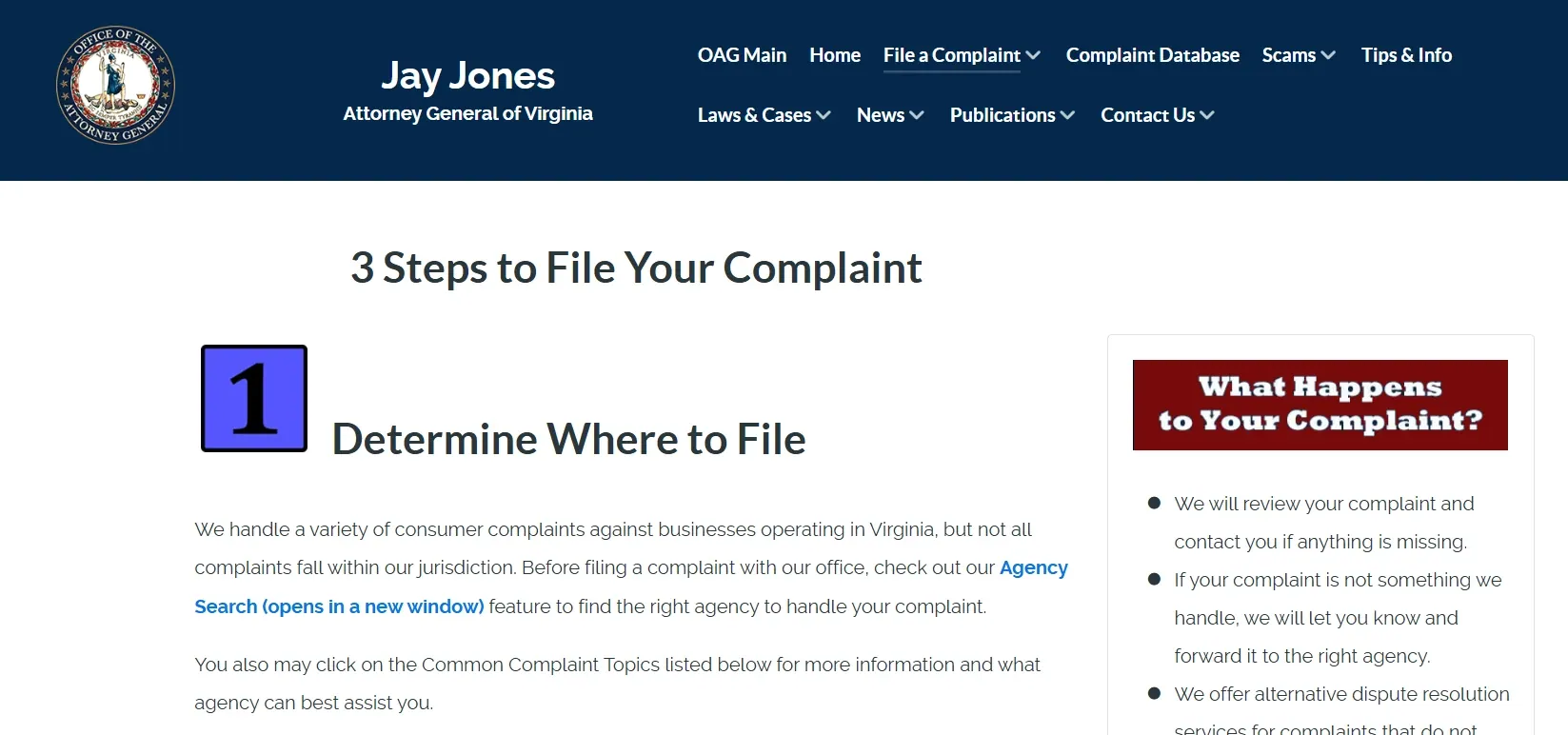
- Complaint form with the Attorney General, for when a company fails to comply.
The Attorney General’s Office also offers a consumer hotline at 1-800-552-9963 for calls from within Virginia and (804) 786-2042 from outside the state.
How to apply the VCDPA step by step?
Exercising the right to deletion is an administrative process you can start on your own.
The key is to follow the correct order and document each stage, because deadlines and appeals depend on it.
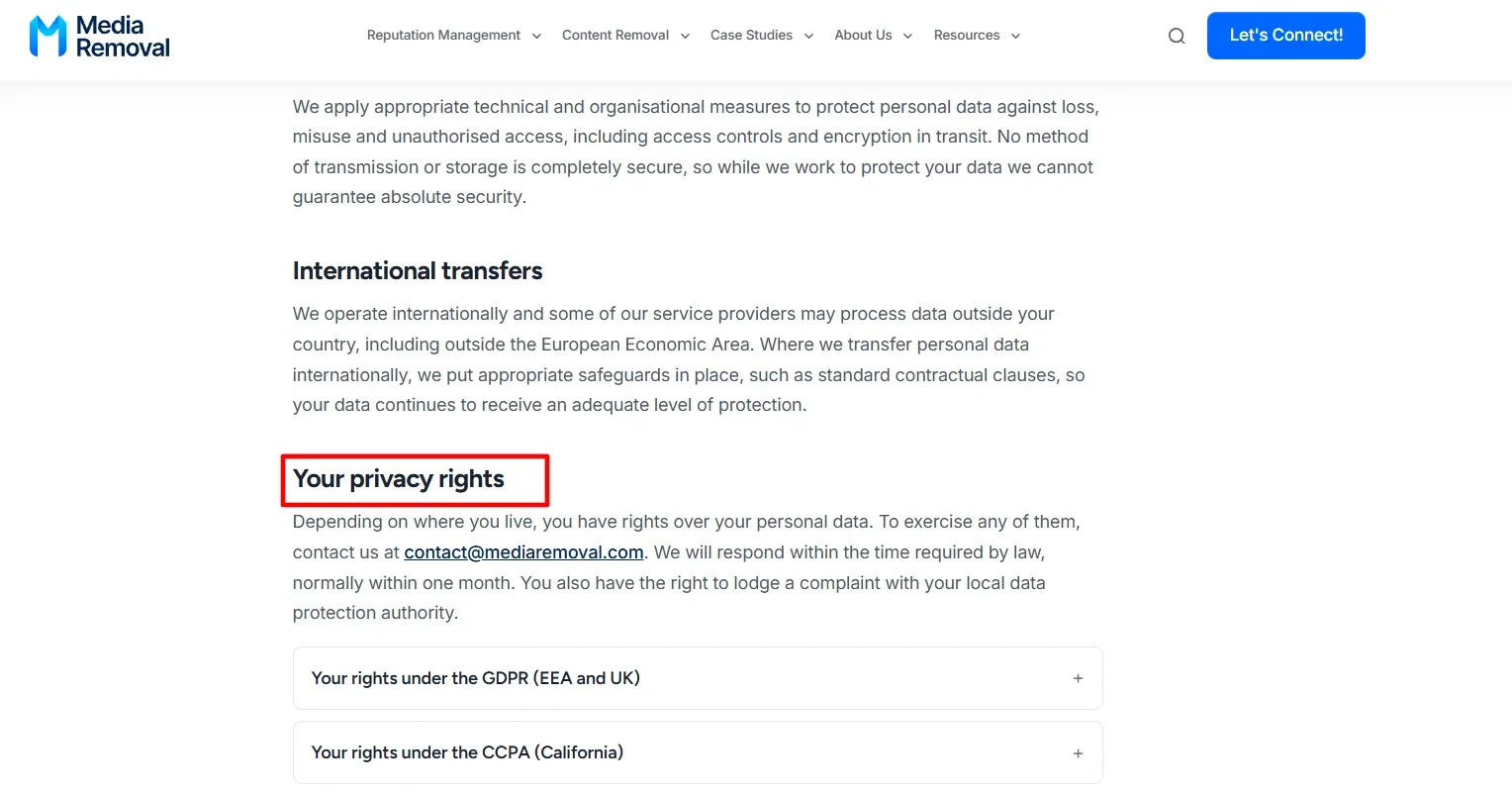
- Locate the consumer rights section in the company’s privacy policy, which is usually titled “Your Privacy Rights” or “Your Rights and Choices”.
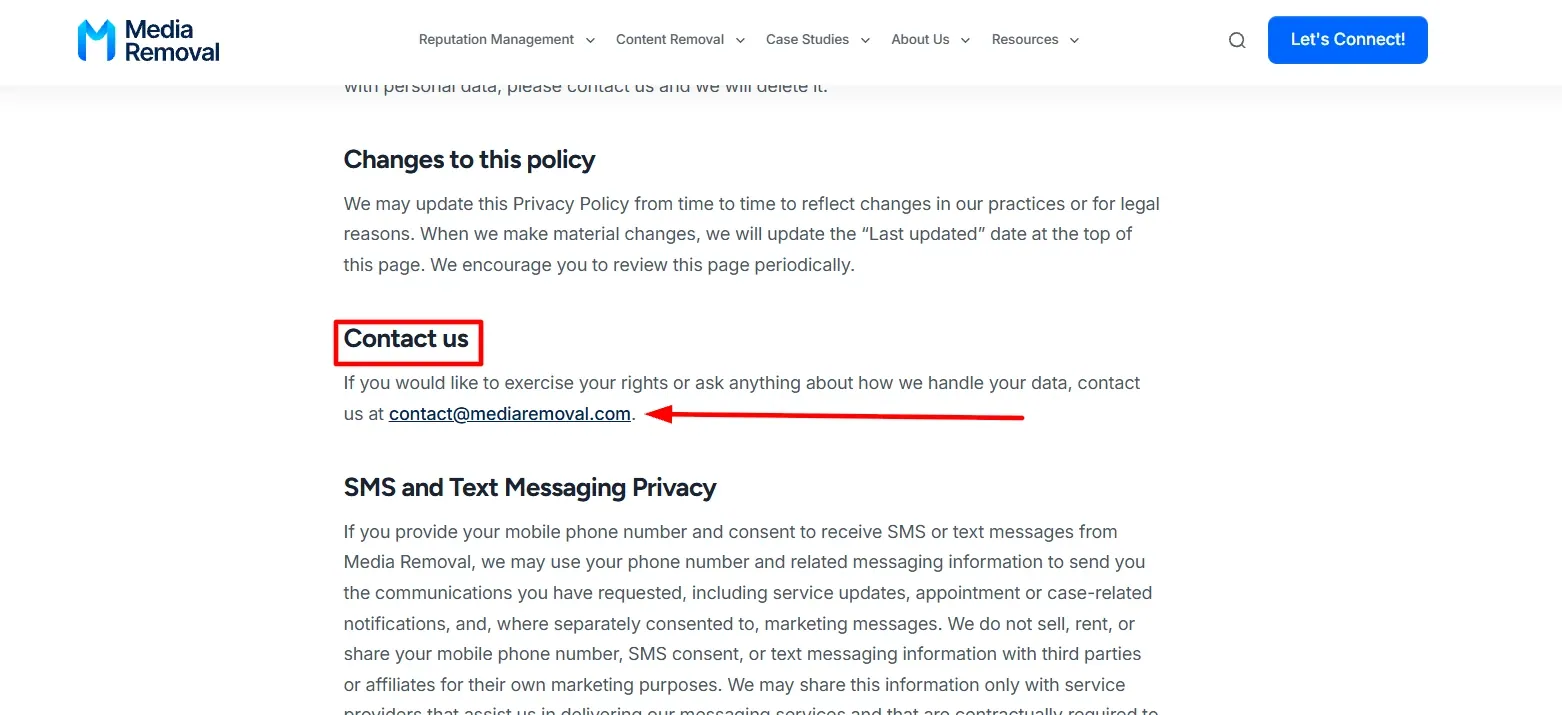
- Submit the request through the designated channel, specifying which right you want to exercise. The company cannot require you to create a new account to do so.
- Wait for the response, which must arrive within a maximum of 45 days. The company can extend that period by another 45 days if it justifies the extension and notifies you within the first period.
- Respond to any identity verification request. The company may ask for additional information to authenticate that you are who you say you are.
- If the company denies the request, it must explain why and offer you a way to appeal. It has 60 days to respond to that appeal in writing.
- If the appeal is also denied, the company must provide you with a way to contact the Attorney General’s Office. That is where the complaint form comes in.
Once the complaint is filed, the Attorney General’s Office can notify the company, which has 30 days to cure the violation.
If it does not, the Attorney General can sue and seek fines of up to $7,500 per violation.
How far does the law go in removing negative content?
The VCDPA is a data privacy law, not an anti-defamation law, and it cannot be used to remove opinions, reviews or articles published by third parties.
The text of the law itself excludes publicly available information.
In practice, this leaves out almost everything we associate with harmful content online:
- Negative reviews on Google, Trustpilot, Yelp or Glassdoor.
- News articles, even if they are old or incomplete.
- Comments, threads and posts on social media or forums such as Reddit.
- Content published by private individuals or by sites that do not meet the law’s thresholds.
However, there is one area where the VCDPA proves useful: data brokers and people search sites.
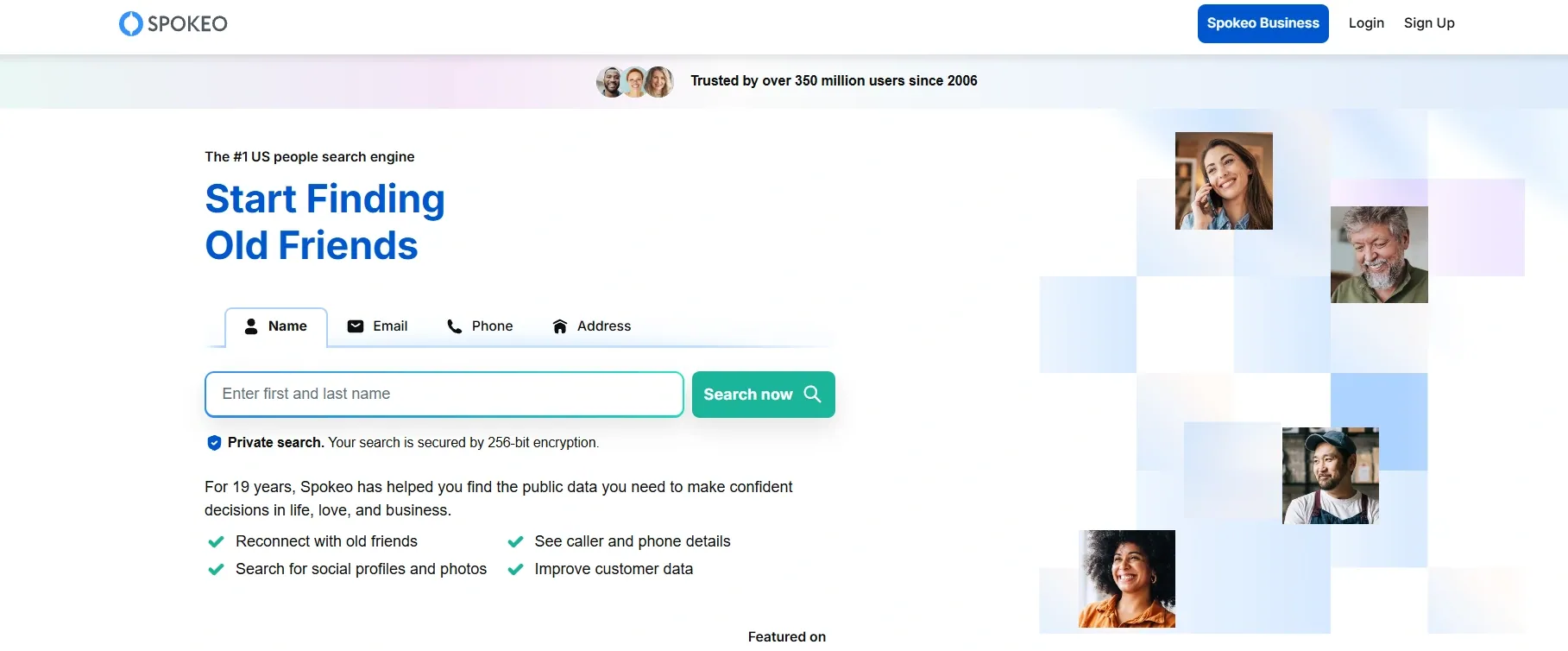
These companies collect, combine and sell profiles with your address, phone number, relatives or history, and many of them far exceed the law’s thresholds.
How the VCDPA can help repair your online reputation depending on your profile
The VCDPA also reflects a shift in how we understand our digital footprint.
As more personal information becomes accessible and easy to find on search engines, knowing what exists about you online can be just as important as knowing how companies use it.
That is why the scope of this law for protecting your reputation varies depending on your profile and your level of public exposure.
If you are a private individual
This is the scenario where the VCDPA offers the most value.
Reducing the number of sites that publish and sell your data can lower the exposure that fuels harassment, fraud and unwanted profiles in search results.
In addition, the right to correction allows you to request that a company rectify inaccurate information it holds about you, which is useful when an incorrect piece of data spreads from one broker to another.
If you are a public figure
Much of the information about people with media exposure falls into the “publicly available” category, so companies can reject the request by relying on that exemption.
Even so, strictly private data (home address, phone number, family members’ data) is still personal data and can be claimed from the data brokers that sell it.
If you are a business
The VCDPA does not grant rights to businesses.
The law defines a consumer as a natural person, so a company only appears in the law as an obligated party, not as a beneficiary.
A company looking to remove fake reviews or harmful articles will need to turn to other avenues, such as platform policies, the DMCA or defamation claims.
What a company can do is leverage the law indirectly to help its executives or key employees reduce their personal exposure on data sites, when that exposure affects the corporate image.
Conclusions and final recommendations on the VCDPA to improve your online reputation and image
The Virginia Consumer Data Protection Act is a real tool, but a specific one.
It works well for requiring large companies and data brokers to delete or correct the personal data they hold about you, as long as you reside in Virginia and the company meets the law’s thresholds.
This law does not remove reviews, news or comments, does not apply to private individuals or small sites, and does not allow you to sue on your own.
So the most effective approach is to use the VCDPA to reduce your data footprint, rely on each platform’s policies for content that violates them, and turn to legal removal or search engine suppression for everything else.
If you are not sure which one applies to your case, at Media Removal we can help you evaluate it.
We work every day with individuals and businesses that need to remove negative content and regain control of their online reputation, and we know when a law like this is the answer and when another route is needed.
 Subscribe to our newsletter
Reputation insights and industry news from the Media Removal team, straight to your inbox.
No spam. Unsubscribe anytime.