Over 300 companies trust Media Removal. Get a Quote Now >


By Pablo M.
Posted

Estimated reading time
Negative online content, whether it’s defamatory articles, harmful reviews, unwanted content, or inappropriate social media posts, can seriously impact your reputation, personal or business image, and even your mental well-being. With the internet being a primary source of information for many, having negative or harmful content associated with your name can be damaging. Fortunately, there are several effective content removal solutions you can use to remove negative online content from the internet. In this guide, we’ll walk you through the essential steps to identify, report, and take action on negative online content. Whether it’s a false review, defamatory comment, or a privacy violation, you can take control and protect your digital presence and online image.
Why Negative Online Content Matters
The presence of negative content can have far-reaching consequences on your personal or business reputation. Here’s why it’s important to address negative content online:
- Loss of Trust: Negative content, including negative news articles and negative press, can cause potential customers, partners, or employers to lose trust in you or your brand.
- Financial Impact: For businesses, negative content can lead to loss of revenue, reduced sales, or harm to brand loyalty.
- Emotional Toll: Harmful content, especially defamation or false information, can cause emotional distress and anxiety, particularly if it goes viral.
- Search Engine Visibility: Negative content often ranks highly in search engine results and google search results, diminishing your online visibility and influencing how you or your brand is perceived by a wider audience.
Now, let’s look at the steps you can take to effectively remove or suppress negative online content.
Step-by-Step Guide to Removing Negative Online Content
1. Identify the Source of the Negative Content
The first step in removing negative content is identifying where it is located. Common sources of negative content include:
- Search Engine Results: Negative reviews, negative articles, and posts that rank highly on Google or other search engines.
- Social Media: Posts, tweets, comments, and images on platforms like Facebook, Instagram, Twitter, or LinkedIn that tarnish your reputation.
- Review Sites: Platforms such as Yelp, Google Reviews, and Trustpilot where customers may leave negative or false reviews.
- Forums and Blogs: Community forums and blog posts that can contain harmful, misleading, or defamatory content.
Search your name, business, or relevant keywords on search engines, such as Google search, to locate all instances of negative content.
Related Article: How to Remove Negative Content from Instagram
2. Report Negative Content to the Platform or Website
Most online platforms and websites have reporting tools that allow users to flag content that violates their community guidelines. Here’s how you can report harmful content:
- Google: If negative content is appearing in google results or search results, use Google’s Remove Outdated Content Tool to request removal of outdated or cached pages. For content hosted on a website, you can submit a content removal request to ask Google to remove it from their index.
- Social Platforms
- Facebook/Instagram: Navigate to the post or comment, click on the three dots (options menu), and select Report. Choose the reason for the report (e.g., harassment, false information, inappropriate content).
- Twitter: Click on the three dots next to the tweet, select Report Tweet, and choose the reason (e.g., abusive behavior, harmful content).
- LinkedIn: Select Report from the three-dot menu on a post, and choose the appropriate reason (e.g., misinformation, harassment).
- Review Websites
- If the review is fake or defamatory, contact the platform (e.g., Google Reviews, Yelp, Trustpilot) to report the review. Most platforms allow businesses or individuals to request the removal of online reviews that violate their terms or community guidelines.
Once reported, the platform will review the content and may remove it if it violates their guidelines. However, this process can take time and may not always lead to removal.
3. Contact the Website or Content Creator Directly
If you know the specific website or individual responsible for the negative content, you may consider reaching out directly to request its removal:
- Polite Request: If the content is based on a misunderstanding or incorrect information, send a polite request to the website owner or social media user asking them to remove or amend the content to ensure it reflects accurate information.
- Offer a Resolution: If the content is a negative review or complaint, offer a resolution or apology, and ask if the user would be willing to remove or update the content after addressing their concerns.
In many cases, this direct approach can lead to the content being successfully removed voluntarily, especially if the person or company realizes the content is harming your reputation.
4. Seek Legal Action for Defamation or Privacy Violations
If the negative content involves defamation (false statements harming your reputation) or a privacy violation (sharing personal or sensitive personal information without consent), you may need to take legal strategies and action.
- Defamation Takedown Notice: If the content contains false and damaging statements, you can send a formal defamation takedown notice to the website or content creator. This is a legal request for the removal of defamatory content.
In some cases, obtaining a court order may be necessary to compel a website or hosting provider to remove harmful or defamatory content. Court orders are enforceable legal mechanisms that can be used when other removal requests are unsuccessful.
- Invasion of Privacy: If personal information (such as your home address, phone numbers, private photos, legal records, or medical records) has been shared without your consent, you can file a privacy violation complaint with the platform and consider taking legal action under data protection laws like GDPR (General Data Protection Regulation) in the European Union.
Copyright infringement and infringing content can also be addressed through DMCA notices or similar legal procedures to remove unauthorized or illegal material from the internet.
Keep in mind that pursuing legal strategies and action, such as filing lawsuits or obtaining court orders, may involve significant legal fees.
5. Use Professional Content Removal Services
If you’re struggling to remove negative content on your own, or if the content is deeply harmful, professional content removal services can help. These services specialize in:
- Defamation Removal: They can help remove defamatory content from websites, social media platforms, and search engines, as well as address negative content across all major platforms.
- Search Engine Suppression: They can use SEO strategies to push negative content further down in search results, ensuring that positive content ranks higher and improves your organic traffic.
- Legal Takedowns: They have legal experts who can help send cease-and-desist letters and handle defamation or privacy violations on your behalf.
- Ongoing Monitoring: Some services provide continuous monitoring of your online reputation, ensuring that new negative content is addressed quickly and allowing you to track progress.
- Data Broker Opt-Outs: Professional services can help remove your personal data from data brokers, including phone numbers and other sensitive personal information, to protect your privacy and prevent sensitive details from being publicly accessible on third party sites.
By working with professionals, you can ensure that negative content is dealt with efficiently and within legal guidelines.
6. Use Reputation Management to Suppress Negative Content
While removing negative content is essential, it’s also important to focus on content suppression to eliminate negative information from search results. Here’s how you can use positive content to push harmful material down in search engine rankings and the first page of google results:
- Create and Promote Positive Content: Publish positive blog posts, articles, reviews, and testimonials about your business or personal achievements on authoritative websites. This will help push negative content further down in search rankings and populate the search results with high ranking content.
- Social Media Strategy: Post positive content consistently on your social media platforms. Encourage followers to share positive experiences and feedback, which will help enhance your online presence and strengthen your personal brand.
- SEO Optimization: Use SEO tactics to ensure that your positive content ranks higher than negative content. The goal is to push down negative results and promote high ranking content. This can include creating content that focuses on your expertise or personal values.
If removal of harmful content isn’t possible, launching a content suppression campaign can be an effective strategy to reduce the visibility of harmful search results and negative results.
By proactively generating positive content and using SEO, you can suppress the visibility of negative material and improve your overall online reputation.
The Importance of Monitoring Online Presence
Consistently monitoring your online presence is essential for effective online reputation management. By regularly checking search engines and social media platforms for new mentions of your name, brand, or business, you can quickly identify any harmful content that may appear. Early detection is key, addressing negative content soon after it’s published greatly increases your chances of successful removal and minimizes potential damage to your reputation.
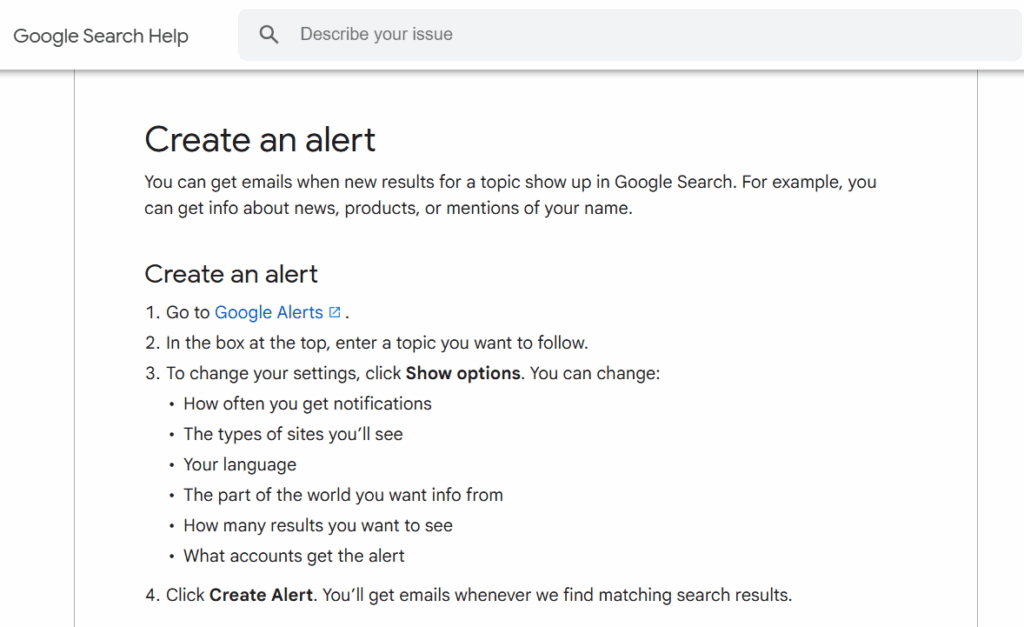
Tools like Google Alerts make this process easier by automatically notifying you whenever new online content is indexed that matches your chosen keywords. This proactive approach allows you to stay ahead of potential issues, respond promptly to negative reviews or posts, and maintain a positive online reputation. By making online monitoring a regular habit, you can protect yourself from the long-term effects of harmful content and ensure that your digital footprint remains accurate and favorable.
Creating a Positive Online Presence
Building a positive online presence is a fundamental aspect of online reputation management. By consistently creating and sharing high-quality, positive content, you can shape how you are perceived on the web and in search engine results. This might include publishing insightful articles or blog posts on authoritative websites, sharing achievements and updates on social media, and encouraging satisfied customers or clients to leave positive reviews.
When positive content dominates your search engine results, it naturally pushes negative content further down, making it less visible to those searching for you online. Investing in SEO strategies can further enhance the visibility of your positive content, ensuring it ranks higher in search engine results. By focusing on content creation and engagement, you not only suppress negative content but also establish yourself or your business as a reputable and trustworthy presence online. This proactive approach to reputation management is key to maintaining a strong, positive digital image.
How to Prevent Negative Content in the Future
To maintain a strong online reputation, regularly update your social media privacy settings and monitor mentions using tools like Google Alerts. Understand search engine policies and community guidelines to manage and report harmful online content. Respond professionally to all reviews and avoid sharing sensitive personal information. When complete removal isn’t possible, consider alternatives like search engine suppression or legal strategies, especially in other regions.
Related Article: 10 Steps to Take Down Negative Content from Google – Internet Content Removal
Frequently Asked Questions (FAQs)
1. How can I remove negative content from search engine results?
You can request content removal from search engines like Google using the Remove Outdated Content Tool. You can also contact the website directly or use professional reputation management services to suppress negative content.
2. Can I remove fake reviews from review websites?
Yes, most review platforms allow you to report fake or defamatory reviews. If the review violates the platform’s guidelines, they may remove it. You can also request the reviewer to update or delete the content directly.
3. What should I do if my personal information is leaked online?
If personal information is leaked, contact the platform to have it removed. You may also consider legal action, such as filing a Right to Be Forgotten request under GDPR or seeking a defamation takedown notice if your reputation has been harmed.
Protect Your Reputation Today
If negative content is affecting your online reputation, it’s crucial to take action immediately. By following these steps and using the right tools and services, you can remove harmful content and rebuild your digital presence. Don’t let harmful material control your narrative, take control of your online reputation today.
Get a Free Quote Now and start protecting your reputation with expert content removal services today!