

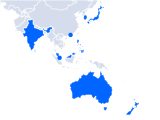
 Country guide · Asia-Pacific

This guide is general information about the law in the Philippines, checked against the sources listed below on November 1, 2026. It is not legal advice. Laws change and every case is different: for advice on your situation, speak to a qualified lawyer in the Philippines.
01Defamation law in the Philippines
Where the law comes from
Philippine defamation law is mainly statutory. Article 353 of the Revised Penal Code defines libel as a public and malicious imputation of a crime, vice, defect or other condition that tends to dishonor or discredit a person, Article 358 covers oral defamation (slander) and Article 359 covers slander by deed. Article 33 of the Civil Code adds that a person who has been defamed may bring a civil action for damages that is entirely separate from the criminal case.
Sources1Revised Penal Code (Act No. 3815), Arts. 353, 358 and 3592Civil Code of the Philippines (Republic Act No. 386), Art. 33
Is defamation a crime?
Libel, oral defamation and slander by deed are crimes under the Revised Penal Code. Section 4(c)(4) of the Cybercrime Prevention Act covers libel committed through a computer system, and Section 6 of that Act sets a penalty one degree higher for Penal Code crimes committed through information and communications technology. In Disini v. Secretary of Justice (2014), the Supreme Court upheld the Penal Code's libel provisions and upheld cyber libel as applied to the original author of a post, but struck it down as applied to people who only receive the post and react to it; it also held that charging the same material as both cyber libel and ordinary libel would violate the rule against double jeopardy. A 2008 Supreme Court circular lets judges prefer a fine over imprisonment in libel cases, but it does not remove imprisonment as a possible penalty.
Sources1Revised Penal Code (Act No. 3815), Arts. 355, 358 and 3593Cybercrime Prevention Act of 2012 (Republic Act No. 10175), Secs. 4(c)(4) and 64Disini v. Secretary of Justice, G.R. No. 203335 (Feb. 2014)5Supreme Court Administrative Circular No. 08-2008
Statute of limitations
Article 90 of the Revised Penal Code, as amended by Republic Act No. 4661, says libel and similar offenses prescribe in one year, while oral defamation and slander by deed prescribe in six months. In Causing v. People, the Supreme Court held that cyber libel also prescribes in one year, counted under Article 91 from when the offended party or the authorities discover the post, and in April 2026 it denied reconsideration of that ruling with finality. A civil action for defamation must be filed within one year under Article 1147 of the Civil Code.
Sources6Causing v. People, G.R. No. 258524 (En Banc Resolution, Apr. 8, 2026), quoting Arts. 90 (as amended by R.A. No. 4661) and 91 of the Revised Penal Code2Civil Code of the Philippines (Republic Act No. 386), Art. 1147
Defamation per se
Philippine law has no category called defamation per se, but Article 354 of the Revised Penal Code serves a similar purpose: every defamatory statement is presumed to be malicious, even if true, unless the speaker shows a good intention and a justifiable motive. The Civil Code also lists libel, slander and other forms of defamation among the cases in which moral damages can be recovered.
Sources1Revised Penal Code (Act No. 3815), Art. 3542Civil Code of the Philippines (Republic Act No. 386), Art. 2219(7)
Anti-SLAPP protection
The Philippine SLAPP procedure comes from the Supreme Court's Rules of Procedure for Environmental Cases. A defendant can raise a SLAPP defense, which is decided after a summary hearing, but only in suits aimed at people enforcing environmental laws, protecting the environment or asserting environmental rights, so it does not reach ordinary defamation disputes.
Source7Rules of Procedure for Environmental Cases (A.M. No. 09-6-8-SC), Rule 6
Defenses and public figures
In a criminal libel case, Article 361 of the Revised Penal Code allows an acquittal on the basis of truth only if the statement was also published with good motives and for justifiable ends, and truth about acts that are not crimes can be proved only when the statement concerns a government employee's official duties. Article 354 protects private communications made in the performance of a legal, moral or social duty and fair, good-faith reports of official proceedings made without comment. In Borjal v. Court of Appeals (1999), the Supreme Court held that fair comment on matters of public interest is also privileged; when a statement is privileged, malice is no longer presumed, and the complainant must prove actual malice, meaning the statement was made knowing it was false or with reckless disregard of whether it was false.
Sources1Revised Penal Code (Act No. 3815), Arts. 354 and 3618Borjal v. Court of Appeals, G.R. No. 126466 (Jan. 1999)
02Online harassment, cyberstalking and doxxing in the Philippines
Cyberstalking
Section 12 of the Safe Spaces Act lists invading a victim's privacy through cyberstalking and incessant messaging as a form of gender-based online sexual harassment. Section 14 punishes it with prision correccional in its medium period, a fine of 100,000 to 500,000 pesos, or both.
Source9Safe Spaces Act (Republic Act No. 11313), Secs. 12 and 14
Online harassment
The Safe Spaces Act defines gender-based online sexual harassment to include online threats, unwanted sexist, misogynistic, homophobic or transphobic remarks sent publicly or by private message, impersonating a victim online, posting lies about a victim to harm their reputation, and filing false abuse reports with platforms to silence a victim. Section 14 sets the penalties for anyone found guilty of these acts.
Source9Safe Spaces Act (Republic Act No. 11313), Secs. 12 and 14
Doxxing
Section 12 of the Safe Spaces Act covers the unauthorized recording and sharing of a victim's photos, videos or any information online as a form of gender-based online sexual harassment. Separately, the Data Privacy Act penalizes processing personal information without consent or legal authority (Section 25) and malicious or unauthorized disclosure of personal information by personal information controllers or processors and their staff (Sections 31 and 32).
Sources9Safe Spaces Act (Republic Act No. 11313), Sec. 1210Data Privacy Act of 2012 (Republic Act No. 10173), Secs. 25, 31 and 32
Intimate images shared without consent
Section 4 of the Anti-Photo and Video Voyeurism Act makes it a crime to copy, sell, distribute, publish or broadcast photos or videos of a sexual act or of a person's private areas, including over the internet or by phone, even if the person agreed to the original recording. Section 5 sets a penalty of three to seven years in prison, a fine of 100,000 to 500,000 pesos, or both. The Safe Spaces Act also treats sharing sexual photos, audio or video without consent as gender-based online sexual harassment.
Sources11Anti-Photo and Video Voyeurism Act of 2009 (Republic Act No. 9995), Secs. 4 and 59Safe Spaces Act (Republic Act No. 11313), Sec. 12
03Data protection and the right to have content removed
Section 16 of the Data Privacy Act lets a person dispute and have corrected inaccurate personal information, and, on substantial proof that the information is incomplete, outdated, false, unlawfully obtained, used for unauthorized purposes or no longer needed, have it suspended, withdrawn, blocked, removed or destroyed from a personal information controller's filing system. The same section gives a right to be indemnified for damage caused by such information.
Source10Data Privacy Act of 2012 (Republic Act No. 10173), Sec. 16(d)-(f)
04How to remove defamatory content in the Philippines
How to remove defamatory content in the Philippines
A lawsuit is one route, but it is slow, costly and public. Much harmful content can come down sooner through the platform’s own reporting process, a legal notice to the site owner or host, or a removal request to search engines. The right route depends on where the content lives and on the law that applies to it.
Media Removal reviews each case and recommends the fastest route that fits it. Removal always depends on each platform and, where relevant, the courts.
05Frequently asked questions about defamation in the Philippines
Is defamation a crime in the Philippines?
Yes. Libel, oral defamation and slander by deed are crimes under the Revised Penal Code, and libel published through a computer system can be charged as cyber libel under the Cybercrime Prevention Act, which sets a penalty one degree higher. The person harmed can also bring a separate civil case for damages.
How long do you have to file a defamation case in the Philippines?
Libel, including cyber libel, prescribes in one year, and oral defamation and slander by deed prescribe in six months. For cyber libel, the Supreme Court counts the year from when the offended party or the authorities discover the post. A civil case for defamation damages must be filed within one year. A lawyer can confirm how these periods apply to specific facts.
Can you be charged with cyber libel for sharing or reacting to a post?
In Disini v. Secretary of Justice (2014), the Supreme Court held that cyber libel is valid as applied to the original author of a post but unconstitutional as applied to people who only receive the post and react to it.
Is telling the truth a defense to libel in the Philippines?
Truth alone is not always enough. Under Article 361 of the Revised Penal Code, the accused must show the statement was true and was also published with good motives and for justifiable ends, and truth about acts that are not crimes can be proved only when the statement concerns a government employee's official duties.
Can I ask for my personal data to be removed in the Philippines?
The Data Privacy Act lets people ask a personal information controller to block, remove or destroy their personal information on substantial proof that it is false, incomplete, outdated, unlawfully obtained, used for unauthorized purposes or no longer needed.
06Defamation laws in nearby countries






07Sources
- Revised Penal Code (Act No. 3815), Arts. 353, 358 and 359
- Civil Code of the Philippines (Republic Act No. 386), Art. 33
- Cybercrime Prevention Act of 2012 (Republic Act No. 10175), Secs. 4(c)(4) and 6
- Disini v. Secretary of Justice, G.R. No. 203335 (Feb. 2014)
- Supreme Court Administrative Circular No. 08-2008
- Causing v. People, G.R. No. 258524 (En Banc Resolution, Apr. 8, 2026), quoting Arts. 90 (as amended by R.A. No. 4661) and 91 of the Revised Penal Code
- Rules of Procedure for Environmental Cases (A.M. No. 09-6-8-SC), Rule 6
- Borjal v. Court of Appeals, G.R. No. 126466 (Jan. 1999)
- Safe Spaces Act (Republic Act No. 11313), Secs. 12 and 14
- Data Privacy Act of 2012 (Republic Act No. 10173), Secs. 25, 31 and 32
- Anti-Photo and Video Voyeurism Act of 2009 (Republic Act No. 9995), Secs. 4 and 5