

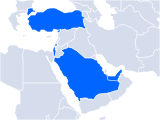
 Country guide · Middle East

Is doxxing illegal in Saudi Arabia? The short answer
Saudi law has no offence called doxxing, but the Anti-Cyber Crime Law (Royal Decree No. M/17 of 2007) is broad enough to cover much of it. Article 6(1) makes it a crime to produce, prepare, transmit or store material impinging on privacy through an information network or computer, with up to five years in prison, a fine of up to SAR 3 million, or both. Article 3 separately punishes defamation and harm to others through information technology and unlawful access to threaten or blackmail.
The English text quoted here is the official translation by the Bureau of Experts at the Council of Ministers, which states that the Arabic text governs. This page is general information, not legal advice. For US federal law and states with dedicated doxxing statutes, see our main guide: is doxxing illegal?
The Anti-Cyber Crime Law and doxxing
Material impinging on privacy (Article 6(1))
Article 6(1) punishes the production, preparation, transmission or storage of material impinging on public order, religious values, public morals and privacy, through the information network or computers. The penalty is up to five years in prison, a fine of up to SAR 3 million, or either. Publishing someone’s private details online may fall under this provision.
Offences under Article 3
Article 3 punishes the following, among others, with up to one year in prison, a fine of up to SAR 500,000, or either:
- spying on, intercepting or receiving data transmitted through an information network or a computer without legitimate authorisation;
- unlawful access to computers with the intention to threaten or blackmail a person into taking or refraining from an action;
- invasion of privacy through the misuse of camera-equipped mobile phones and similar devices; and
- defamation and infliction of damage on others through information technology devices.
Aggravating factors and accomplices
The penalty cannot be less than half the maximum when, among other cases, the crime is committed through organised crime, by someone abusing a public office or their influence, or by a repeat offender (Article 8). Inciting, assisting or collaborating in one of these crimes is punishable too (Article 9), which can matter when a doxxing campaign is coordinated by several accounts. A court can also order the confiscation of equipment and the temporary or permanent closure of a website used for the crime with its owner’s knowledge (Article 13).
Data protection rights in Saudi Arabia
Article 4 of the Personal Data Protection Law gives individuals the right to be told the legal basis and purpose for collecting their personal data, to access it and get a readable copy, to have it corrected, completed or updated, and to ask the organisation holding it to destroy data it no longer needs. These rights apply within the limits set by the law and its regulations. The Saudi Data and Artificial Intelligence Authority (SDAIA) is the competent authority under the law.
For how other countries and US states treat online harassment, see our guide to cyberstalking laws and our overview of online harassment laws.
What to do if you are doxxed in Saudi Arabia
- Put safety first. If you are threatened or someone has come to your home, contact the police or emergency services immediately.
- Preserve the evidence. Screenshot each post and message with the account name, URL and date before you report anything.
- Report it to the authorities. Under Article 15 of the Anti-Cyber Crime Law, these crimes are investigated and prosecuted by the Bureau of Investigation and Public Prosecution, now the Public Prosecution, and complaints can be filed through the police.
- Report the content. Use each platform’s privacy or harassment reporting form, and ask Google to remove results that show your contact details alongside threats or calls to harass (Google Search Help).
- Use your data rights. Ask organisations that hold your data and no longer need it to destroy it under Article 4 of the Personal Data Protection Law.
- Talk to a lawyer before responding publicly, since Article 3(5) also applies to defamation and harm caused online.
Doxxing works differently elsewhere in the region. Compare the UAE, Israel and Turkey.
How Media Removal can help after doxxing in Saudi Arabia
Media Removal is not a law firm and does not give legal advice. Criminal complaints, protective orders and lawsuits belong to the police, prosecutors, courts and your lawyer. We work alongside them on the practical side: finding where your information has spread and getting it taken down through the right channel for each site.
- Mapping the exposure. We identify the posts, profiles, directory listings and search results that show your private information or that of your executives and staff.
- Removal at the source. We use each platform’s own privacy and harassment rules and, where your lawyer pursues them, legal channels such as data protection requests. Whether a page comes down is decided by the platform, the site owner, a regulator or a court, so we do not promise any particular outcome.
- Search results. We submit delisting requests to Google where its policies and data protection law allow, and work to push down what cannot be removed.
- Crisis support. When doxxing comes with a viral thread or false claims about a company or public figure, our reputation crisis management team responds the same day.
If the doxxing comes with false statements about you or your company, separate rules apply. See Saudi defamation and harassment laws and how to sue for defamation.
For content removal, you are billed only when the URL is verified offline. Every client signs an NDA, and so do we. We answer within one business day. To discuss your situation, request a quote or read more about our content removal services.
Frequently asked questions
Which Saudi law applies to publishing someone’s private details online?
Mainly Article 6(1) of the Anti-Cyber Crime Law, which punishes producing, preparing, transmitting or storing material impinging on privacy through an information network or computer with up to five years in prison, a fine of up to SAR 3 million, or both.
Is online blackmail with personal information a crime in Saudi Arabia?
Yes. Article 3(2) of the Anti-Cyber Crime Law punishes unlawful access to computers with the intention to threaten or blackmail someone into taking or refraining from an action, with up to one year in prison, a fine of up to SAR 500,000, or both.
Can people who share a doxxing post be punished in Saudi Arabia?
Possibly. Article 9 of the Anti-Cyber Crime Law punishes anyone who incites, assists or collaborates with others to commit a crime under the law, up to the maximum penalty for that crime if it is committed.
Can I ask a Saudi company to destroy my personal data?
Yes, within limits. Article 4 of the Personal Data Protection Law gives you the right to ask the organisation holding your personal data to destroy data it no longer needs, as well as rights to access and correct it. SDAIA is the competent authority.
Sources
How to cite this resource
Use this reference when citing this page.
Media Removal. (November 5, 2026). Is Doxxing Illegal in Saudi Arabia? Doxxing Laws in Saudi Arabia. https://mediaremoval.com/is-doxxing-illegal/saudi-arabia/